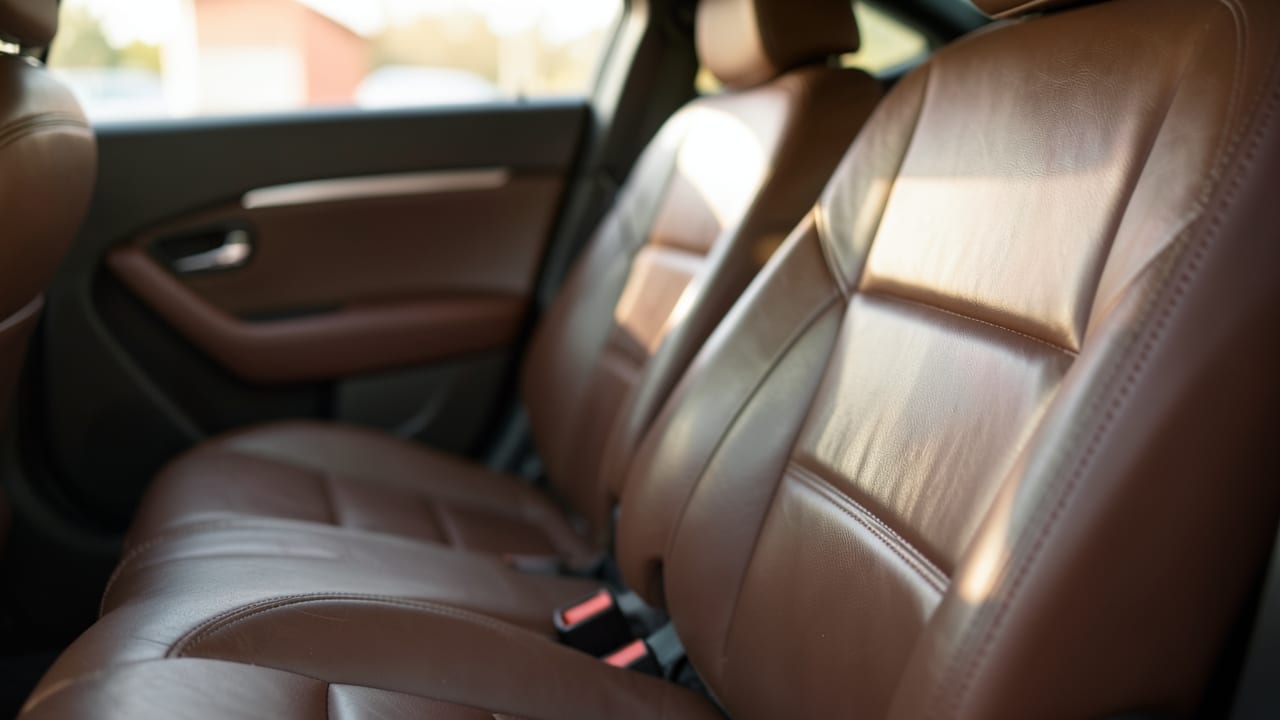
Leather Conditioning
Professional application of ceramic coatings to protect and condition leather surfaces.
Leather conditioning with ceramic coatings in Brighton, CO, enhances the durability and appearance of leather goods, from car interiors to furniture. This process adds a protective layer that resists wear, stains, and UV damage, preserving the material’s natural look while extending its lifespan in Brighton’s climate and sun exposure.
Why leather conditioning matters in Brighton
Brighton’s mix of sun exposure, temperature swings, and everyday use can degrade leather over time. Ceramic coatings create a shield against UV rays, moisture, and abrasion, helping leather maintain its rich color and soft texture longer.
We also handle Spring Paint Rejuvenation and Annual Ceramic Maintenance Wash for Brighton vehicles.
This is especially useful for car interiors, which face additional stress from heat, cold, and road contaminants.
Without proper conditioning, leather can dry out, crack, or develop stains that are harder to remove. A ceramic coating not only protects but also adds a subtle sheen, making leather look freshly treated and well-maintained.
For residents in nearby areas like Commerce City or Thornton, this service ensures leather goods last through Colorado’s varied seasons.
Signs Your Leather Needs Conditioning
- Leather appears dry, cracked, or flaky to the touch, especially in direct sunlight or after temperature changes.
- Stains or discoloration develop that don’t lift with regular cleaners, indicating deep penetration of oils or contaminants.
- The material loses its natural sheen and feels rough, signaling loss of moisture and protective oils.
- Leather goods, like car seats or upholstery, show visible wear, fading, or peeling after routine use.
The science behind ceramic coatings for leather
Ceramic coatings for leather work by infusing a nano-ceramic layer into the material’s surface. This layer bonds with the leather fibers, creating a barrier that repels liquids, blocks UV rays, and reduces friction from daily use.
Unlike traditional conditioners, which sit on top of the leather, ceramic coatings penetrate deeper, offering longer-lasting protection.
In Brighton’s environment, where sun exposure and temperature fluctuations are common, this added protection is critical. The coating helps leather resist cracking from dry air and fading from prolonged sunlight, keeping it looking newer for years.
It’s particularly effective for car interiors, which are exposed to heat, cold, and road grime.
What to expect during the process
The ceramic conditioning process begins with a thorough cleaning of the leather to remove dirt, oils, and contaminants. This step ensures the coating adheres properly and penetrates evenly.
Next, a specialized ceramic solution is applied, which is then worked into the leather using microfiber cloths to ensure full coverage and bonding.
After application, the leather is left to cure for a set period, during which the ceramic layer hardens and forms a protective shield. This process may take a few hours, depending on the product used and environmental conditions like humidity and temperature.
Once cured, the leather will have a renewed softness, improved resistance to stains, and a subtle, natural sheen.
| Step | Purpose | Tools/Products Used |
|---|---|---|
| Deep Cleaning | Removes dirt, oils, and contaminants for proper adhesion | Leather cleaner, microfiber cloths |
| Ceramic Solution Application | Infuses the leather with protective nano-ceramic particles | Ceramic conditioner, applicator pads |
| Working the Solution | Ensures even distribution and bonding with leather fibers | Microfiber cloths, soft brushes |
| Curing Period | Allows the ceramic layer to harden and form a protective shield | Controlled environment (humidity/temperature) |
How leather conditioning with ceramic coatings works
This process transforms leather by adding a protective ceramic layer that enhances durability and appearance.
- 1Clean the Leather
A specialized leather cleaner removes dirt, oils, and contaminants from the surface. This step is critical to ensure the ceramic coating bonds properly and penetrates evenly into the material.
- 2Apply the Ceramic Solution
A nano-ceramic solution is applied to the leather using applicator pads or microfiber cloths. The solution is worked into the material to ensure full coverage and proper bonding with the leather fibers.
- 3Work the Solution In
After application, the ceramic solution is gently buffed into the leather using soft brushes or cloths. This step helps distribute the coating evenly and ensures it penetrates deeply for maximum protection.
- 4Allow for Curing
The leather is left undisturbed in a controlled environment to allow the ceramic layer to cure. This process typically takes a few hours, during which the coating hardens and forms a protective barrier against wear, stains, and UV damage.
- 5Final Inspection
Once cured, the leather is inspected for even coverage and a natural sheen. The result is a softer, more resilient surface that resists cracking, fading, and staining over time.
Frequently asked questions
How long does the protection from a ceramic coating on leather last?
The duration of protection varies depending on the quality of the coating and how often the leather is exposed to contaminants, sunlight, and wear. Typically, a well-applied ceramic coating can last 2-5 years before needing reapplication, especially in high-use areas like car interiors.
Can ceramic conditioning be done on all types of leather?
Ceramic conditioning works best on full-grain and top-grain leather, which have a tighter fiber structure that allows the coating to bond effectively. It may not be suitable for very thin or heavily treated leathers, as the coating could affect flexibility or appearance.
Will the ceramic coating change the look or feel of my leather?
The coating adds a subtle sheen and enhances the natural color of the leather while maintaining its softness. It doesn’t alter the texture significantly but makes the leather feel slightly smoother and more supple over time.
How should I care for my leather after conditioning?
Avoid exposing the leather to direct sunlight for extended periods during the first few days after conditioning to allow proper curing. Use a mild leather cleaner and conditioner periodically to maintain the coating’s effectiveness and keep the leather in good condition.
Where Brighton sits, and what the Census lists nearby
Brighton sits in Colorado, and the closest places listed in the U.S. Census Gazetteer are Todd Creek (4 miles west), Lochbuie (4.7 miles northeast), Commerce City (5.7 miles south), Fort Lupton (8.1 miles north).
Within 25 miles of Brighton the same source lists 59 distinct incorporated places and census-designated places.
Those figures matter for leather conditioning because they are straight-line distances between Census coordinate points: road mileage between Brighton and Todd Creek runs longer than the 4 miles shown, which is why quotes for the same job differ between towns that look close together on a map.
Source: U.S. Census Bureau Gazetteer.
See Thornton, CO for more, or browse how our Brighton crew can help in detail for our complete lineup.
Ready to get started?
Talk to a local ceramic coating pro in Brighton — get a written quote.
Other Ceramic Coating Services in Brighton
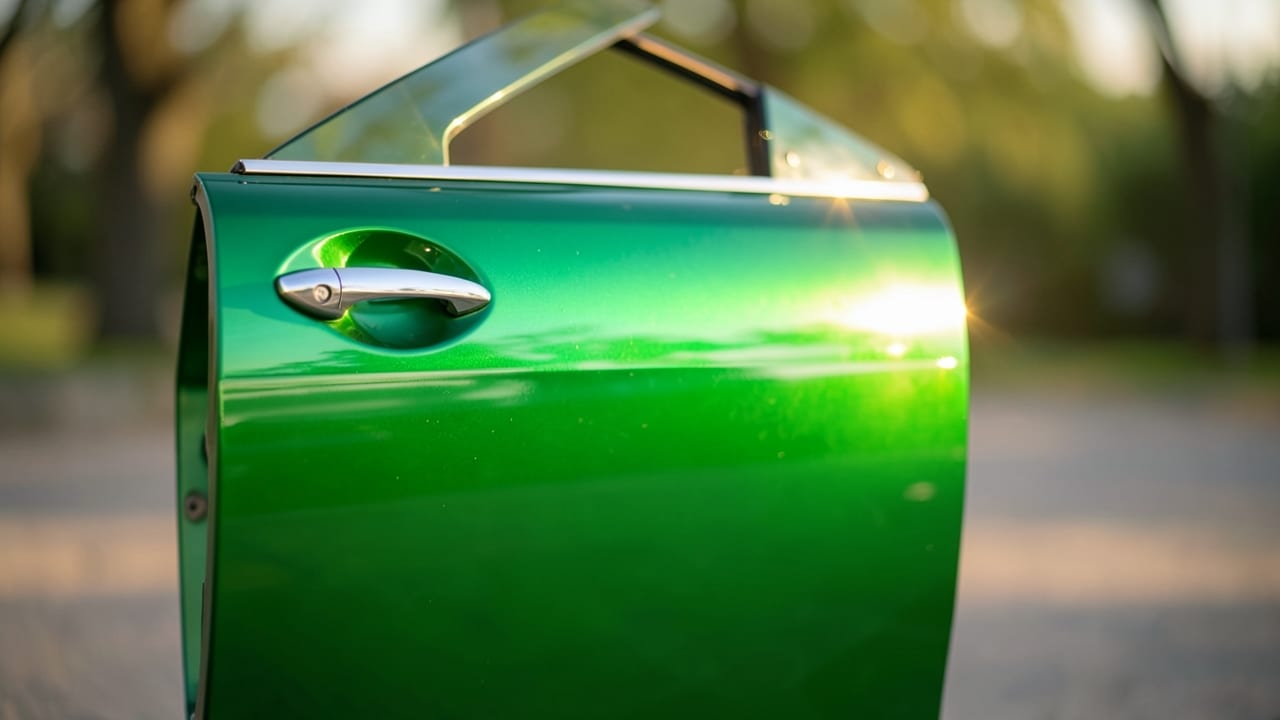
Spring Paint Rejuvenation in Brighton, CO
Ceramic coating and paint correction to restore and protect vehicle surfaces.
Learn More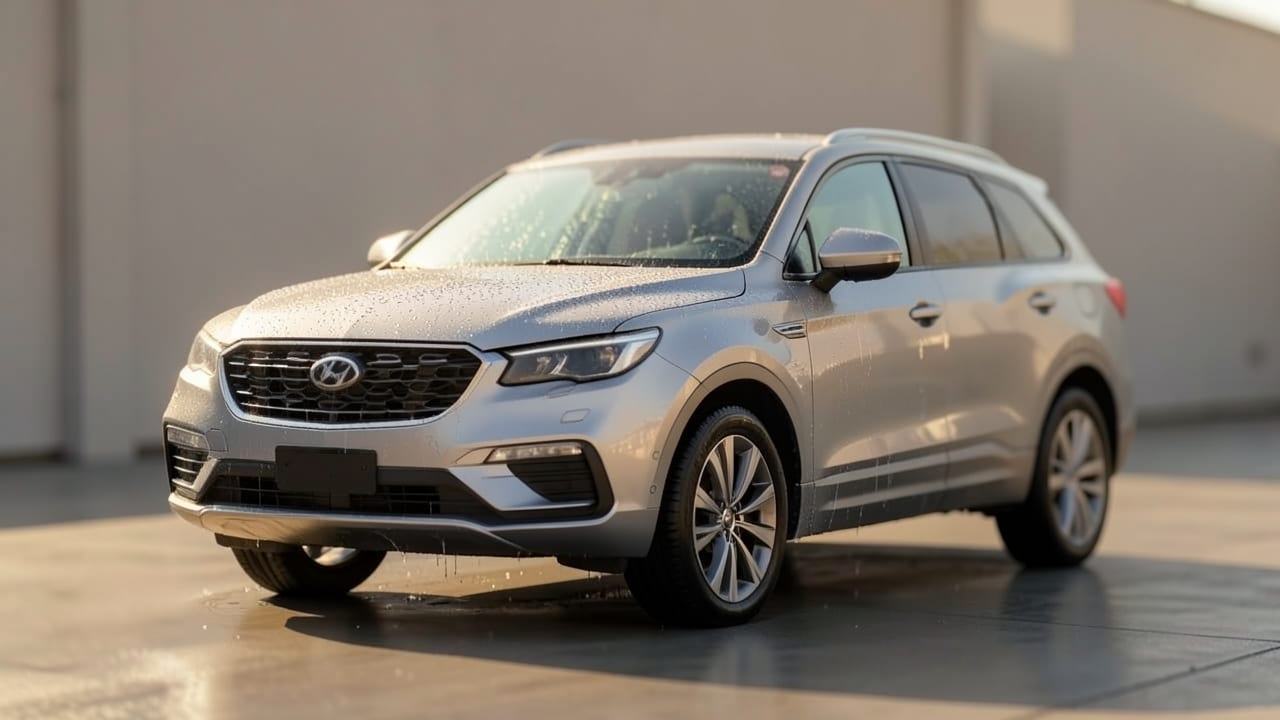
Annual Ceramic Maintenance Wash in Brighton, CO
Professional cleaning and reapplication of ceramic coatings to preserve paint protection.
Learn More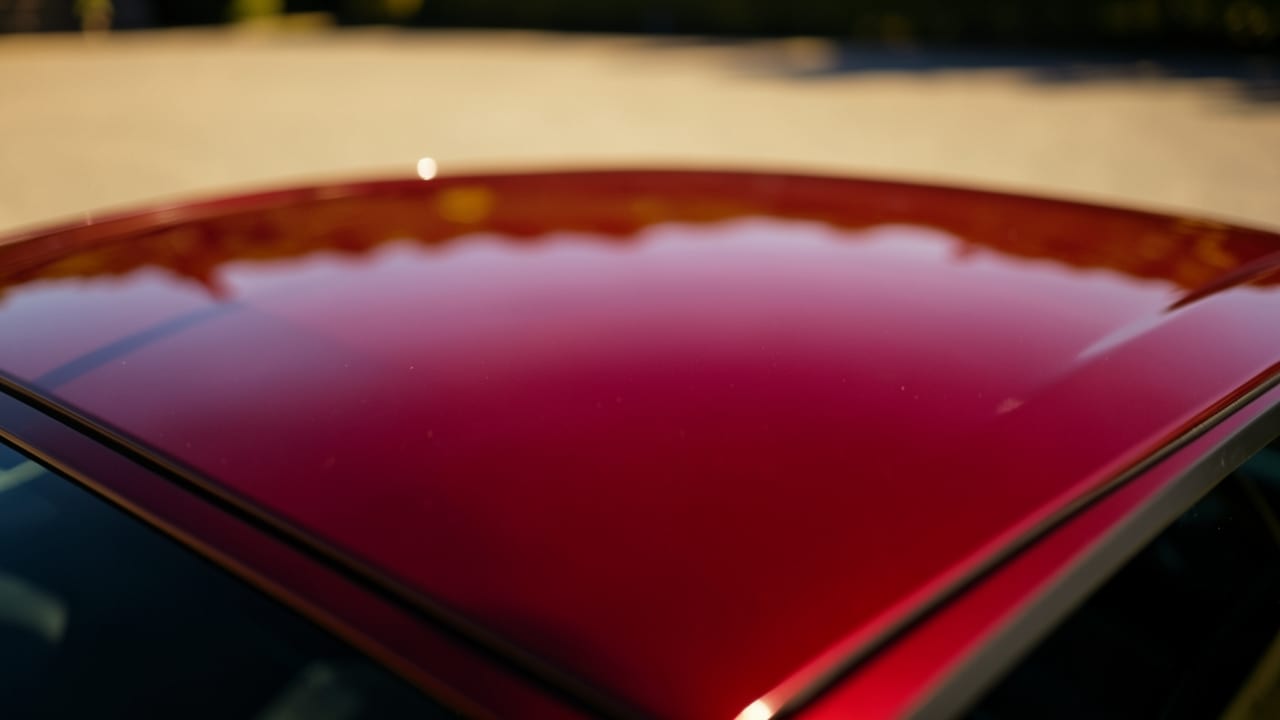
Mid-Summer UV Protection Top-Up in Brighton, CO
Ceramic coating reapplication to restore UV protection and gloss on vehicle paint.
Learn More
Post-Storm Contaminant Removal in Brighton, CO
Removal of contaminants from vehicle paint after storms, followed by ceramic coating application.
Learn More
Full-Vehicle Ceramic Coating in Brighton, CO
Professional nano-ceramic coating for vehicles in Brighton, CO — a hard, semi-permanent SiO2 layer for deep gloss, strong hydrophobic protection, and easier washing.
Learn More
Paint Correction & Polishing in Brighton, CO
Machine paint correction and polishing in Brighton, CO — removes swirl marks, oxidation, and water spots, and is the mandatory first step before any ceramic coating.
Learn MoreCommon Questions About Ceramic Coating in Brighton
Everything you need to know about ceramic coating services in Brighton
How much does Leather Conditioning typically cost in Brighton, CO?
Can ceramic coating prevent rock chips on mountain roads around Brighton, CO?
What's the actual difference between wax, paint sealant, and ceramic coating?
Can ceramic coating be applied at home instead of by a detailing shop?
How long does a ceramic coating actually last in real-world use?
What is the difference between graphene and SiO2 ceramic coatings?
Need Ceramic Coating in Brighton?
Get a written quote from our Brighton crew.
⏰ We answer your call • Serving all of Brighton and surrounding areas