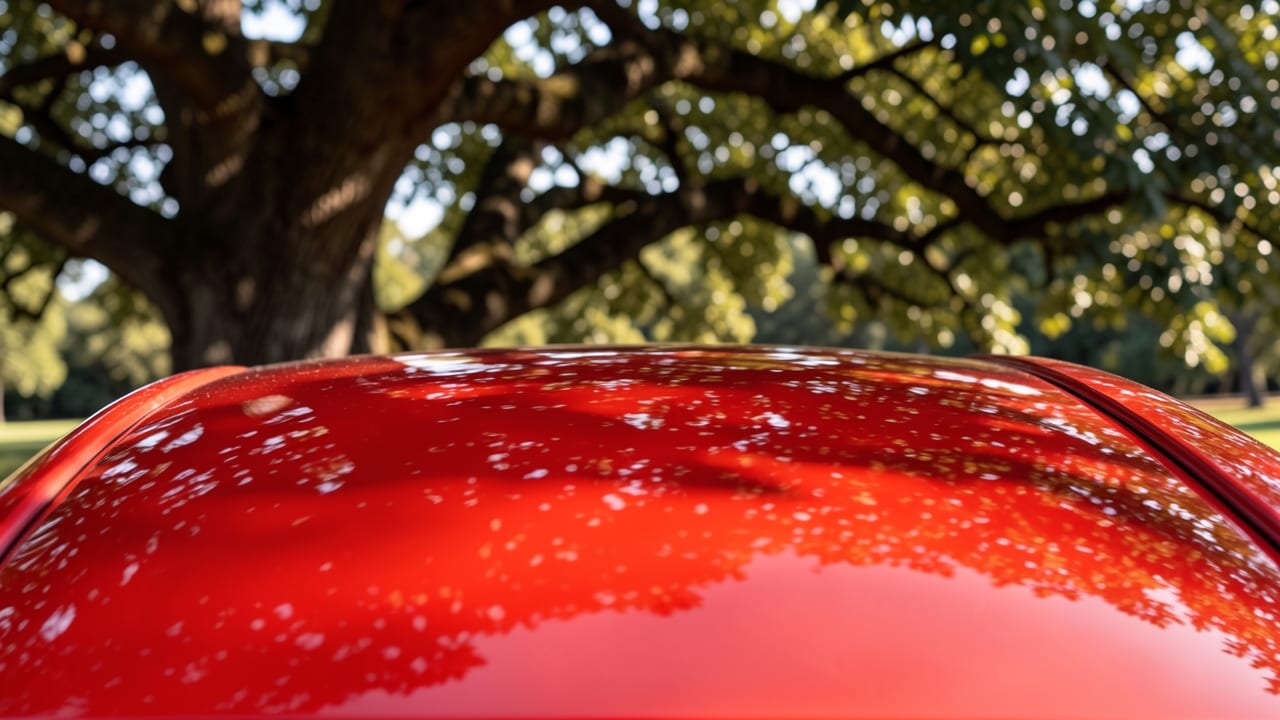
Tree Sap Removal
Professional removal of tree sap from vehicle surfaces using safe, paint-friendly methods.
Tree sap removal in Brighton, CO, targets stubborn sticky residue on vehicles, restoring paint and glass without damage. Specialized cleaners and gentle techniques break down sap, followed by protective treatments to maintain the finish.
Serving Brighton and surrounding areas, this service helps keep vehicles looking their best after exposure to local trees.
We also handle Wheel & Brake Caliper Ceramic Coating and Interior Ceramic Protection for Brighton vehicles.
When tree sap needs professional removal
Tree sap often leaves behind sticky, discolored marks that regular washing can’t remove. If the sap feels rough to the touch or leaves a shadow after wiping, it’s likely embedded in the paint.
Small orange specks or recurring spots after parking under the same tree are signs the sap has bonded deeply.
Ignoring embedded sap can lead to paint damage over time, especially on lighter colors. Professional removal ensures the sap is fully lifted without scratching the surface, followed by protective steps to prevent future bonding.
Signs You Need Tree Sap Removal
- Sap feels gritty or bumpy when touched, even after washing.
- Wiping the spot leaves a faint shadow or residue behind.
- Orange or rust-colored specks appear after driving under trees.
- Regular soap and water no longer remove the sticky marks.
What affects the process and cost
The type of sap and how long it’s been on the vehicle determine the steps needed. Fresh sap may require only a targeted cleaner, while older, hardened sap needs mechanical lifting with clay bars or mitts.
The size of the affected area and the vehicle’s finish (matte, gloss, or coated) also influence timing and materials used.
Preventing future sap buildup involves parking away from sap-producing trees and rinsing off fresh sap within 48 hours. A spray sealant applied after removal adds a protective layer, making it harder for new sap to bond as deeply.
| Factor | Impact on Process | Typical Solution |
|---|---|---|
| Sap Age | Older sap bonds more deeply, requiring extra steps. | Mechanical lifting with clay bars or mitts. |
| Vehicle Finish | Matte or coated surfaces need gentler treatments. | Specialized cleaners and protective sealants. |
| Affected Area Size | Larger areas take longer to treat. | Targeted application with dwell time for chemicals. |
| Prevention Efforts | Parking away from trees reduces recurrence. | Regular rinsing and protective coatings. |
How tree sap removal works
- 1Identify the Contaminant
The sap is inspected to confirm it’s tree sap and not another contaminant like tar or brake dust, as each requires different chemistry.
- 2Apply Targeted Cleaner
A specialized sap remover is applied and left to dwell, breaking down the sticky bonds without damaging the paint.
- 3Mechanical Lifting (If Needed)
For embedded sap, a clay bar or mitt is gently worked over the area with a lubricant to lift remaining residue without scratching.
- 4Rinse and Inspect
The area is rinsed clean, and the surface is checked under direct light to ensure all sap is removed, not just less visible.
- 5Protective Follow-Up
A spray sealant is applied to restore the paint’s protective layer, which may have been disturbed during removal.
Frequently asked questions
How long does tree sap removal take?
The process typically takes 30–60 minutes per affected area, depending on the sap’s age and how deeply it’s embedded. Larger vehicles or multiple spots may require additional time.
Will the sap come back if my car is parked under the same tree?
Fresh sap can reappear, but applying a protective sealant after removal makes it harder for new sap to bond as deeply. Parking away from sap-producing trees reduces recurrence.
Can I remove tree sap myself with household cleaners?
Household cleaners often smear sap instead of lifting it, risking paint damage. Specialized automotive cleaners are safer and more effective for embedded sap.
How often should I get my vehicle’s paint checked for sap buildup?
Checking after every few washes or when you notice sticky marks helps catch sap early. Addressing it within 48 hours prevents deep bonding and makes removal easier.
Where Brighton sits, and what the Census lists nearby
Brighton sits in Colorado, and the closest places listed in the U.S. Census Gazetteer are Todd Creek (4 miles west), Lochbuie (4.7 miles northeast), Commerce City (5.7 miles south), Fort Lupton (8.1 miles north). Within 25 miles of Brighton the same source lists 59 distinct incorporated places and census-designated places.
Those figures matter for tree sap removal because they are straight-line distances between Census coordinate points: road mileage between Brighton and Todd Creek runs longer than the 4 miles shown, which is why quotes for the same job differ between towns that look close together on a map.
Source: U.S. Census Bureau Gazetteer.
See Frederick, CO for more, or check out the full ceramic coating lineup we run in Brighton on a single page for our complete lineup.
Ready to get started?
Talk to a local ceramic coating pro in Brighton — get a written quote.
Other Ceramic Coating Services in Brighton
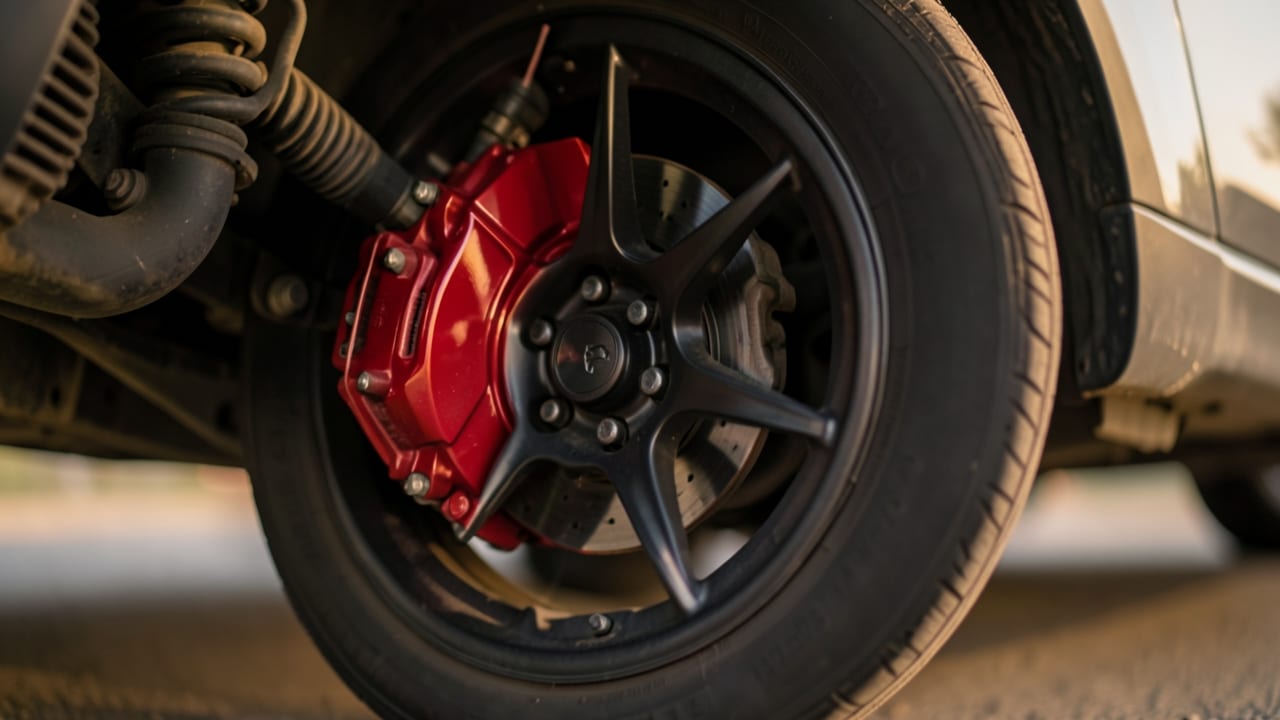
Wheel & Brake Caliper Ceramic Coating in Brighton, CO
Dedicated ceramic coating for wheels and brake calipers in Brighton, CO — stops brake dust and corrosive grime from bonding to the finish.
Learn More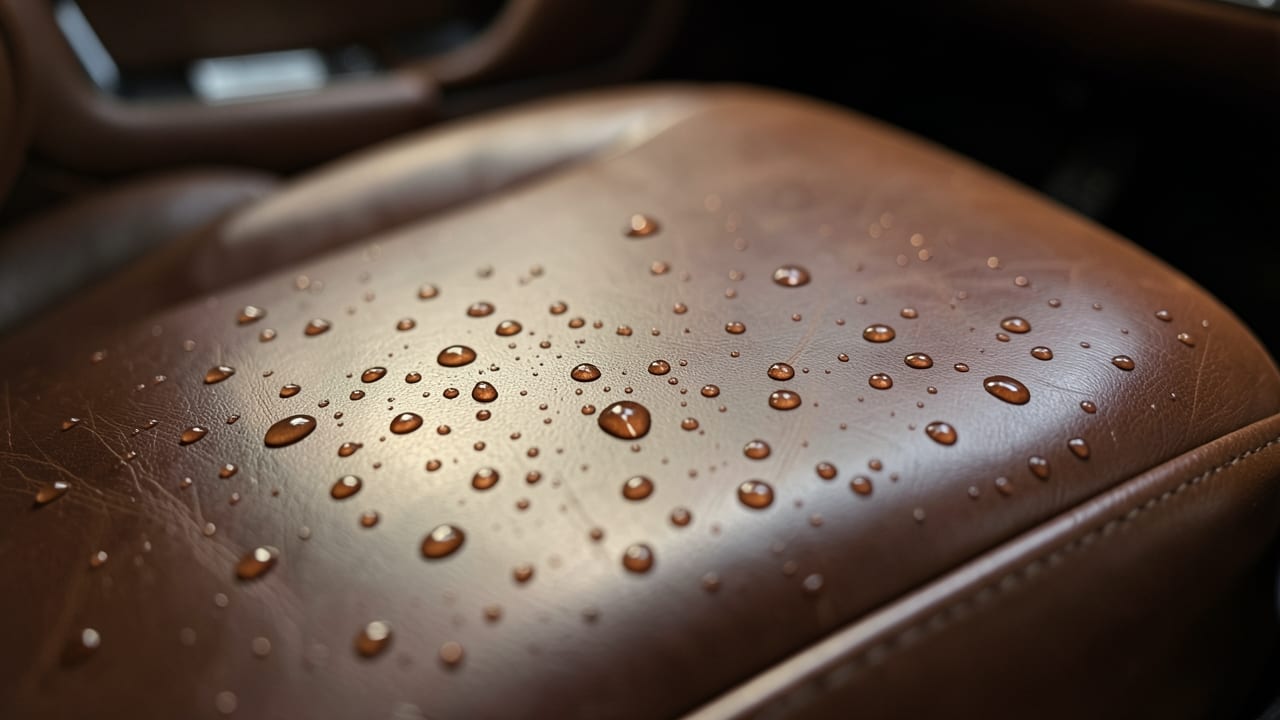
Interior Ceramic Protection in Brighton, CO
Interior fabric, leather, and trim ceramic protection in Brighton, CO — guards against spills, UV fading, and daily wear.
Learn More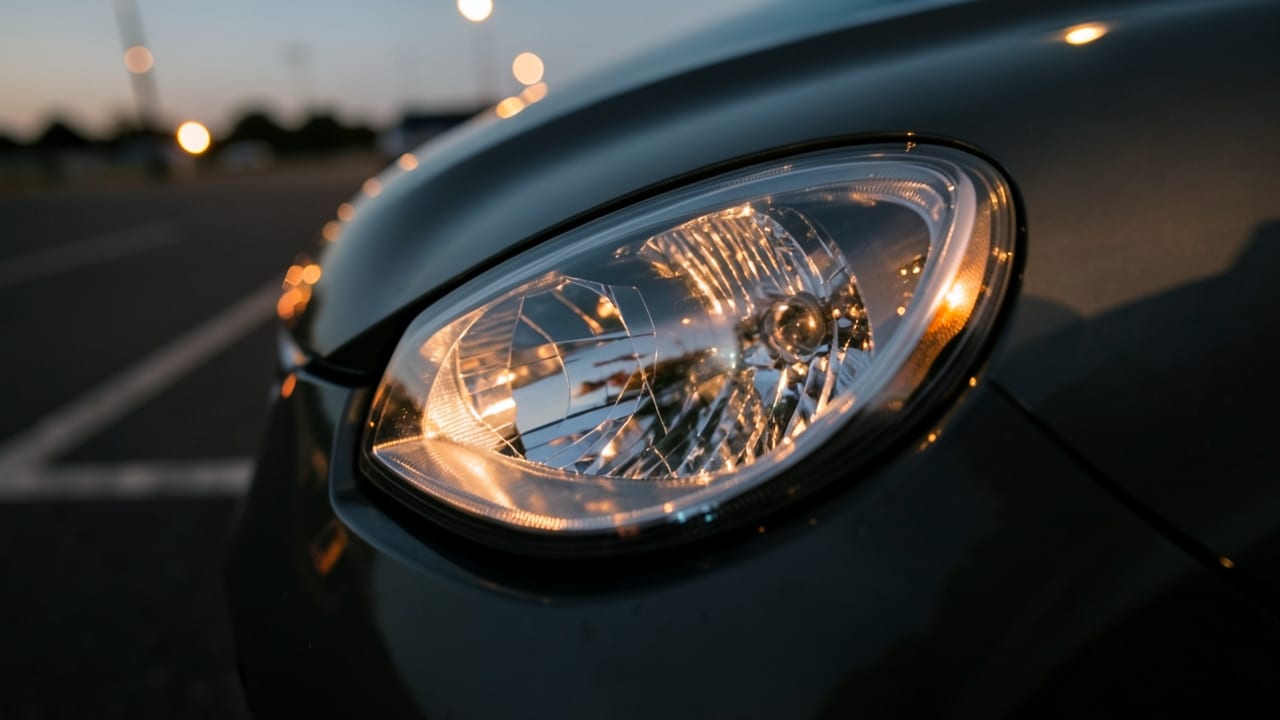
Headlight Restoration & Coating in Brighton, CO
Headlight restoration and UV-protective coating in Brighton, CO — restores clarity and nighttime visibility without replacing the assembly.
Learn More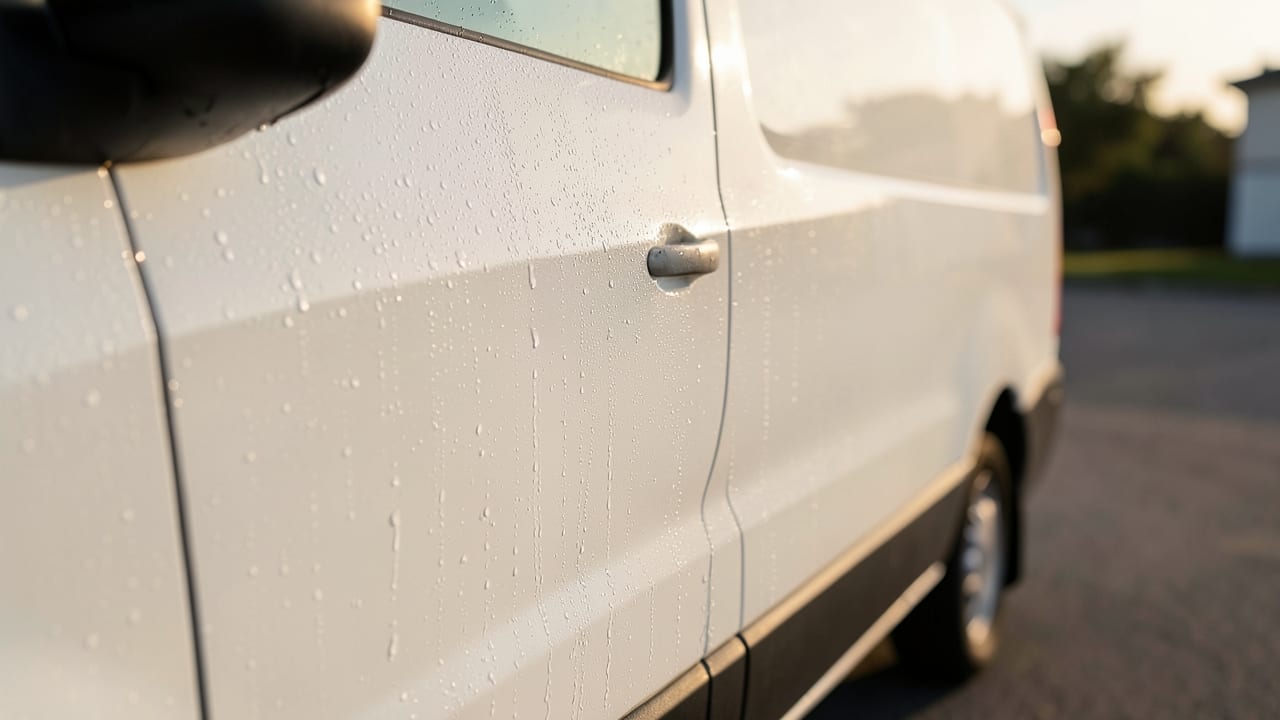
Fleet & Commercial Vehicle Coating in Brighton, CO
Ceramic coating programs for fleets and commercial vehicles in Brighton, CO — faster washing, longer-lasting branded wraps, and protected resale value.
Learn More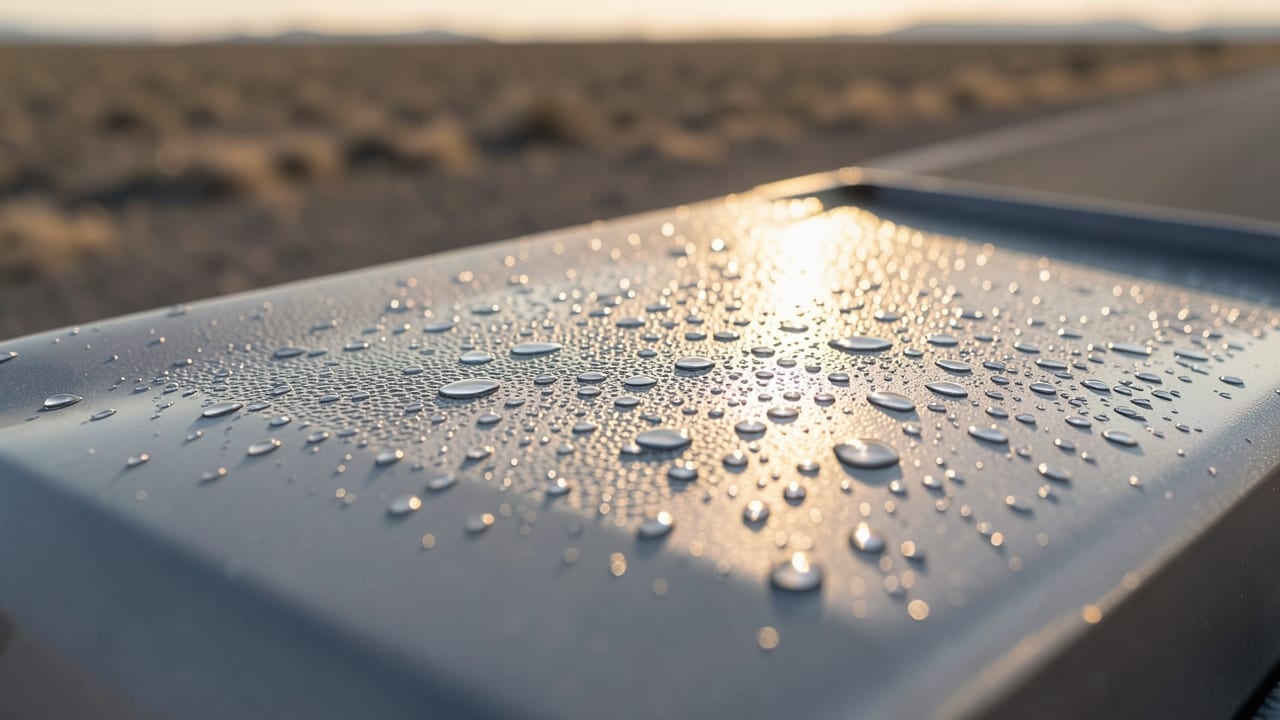
Graphene Coating in Brighton, CO
Graphene coating in Brighton, CO — a premium ceramic alternative with better heat rejection and hydrophobic durability.
Learn More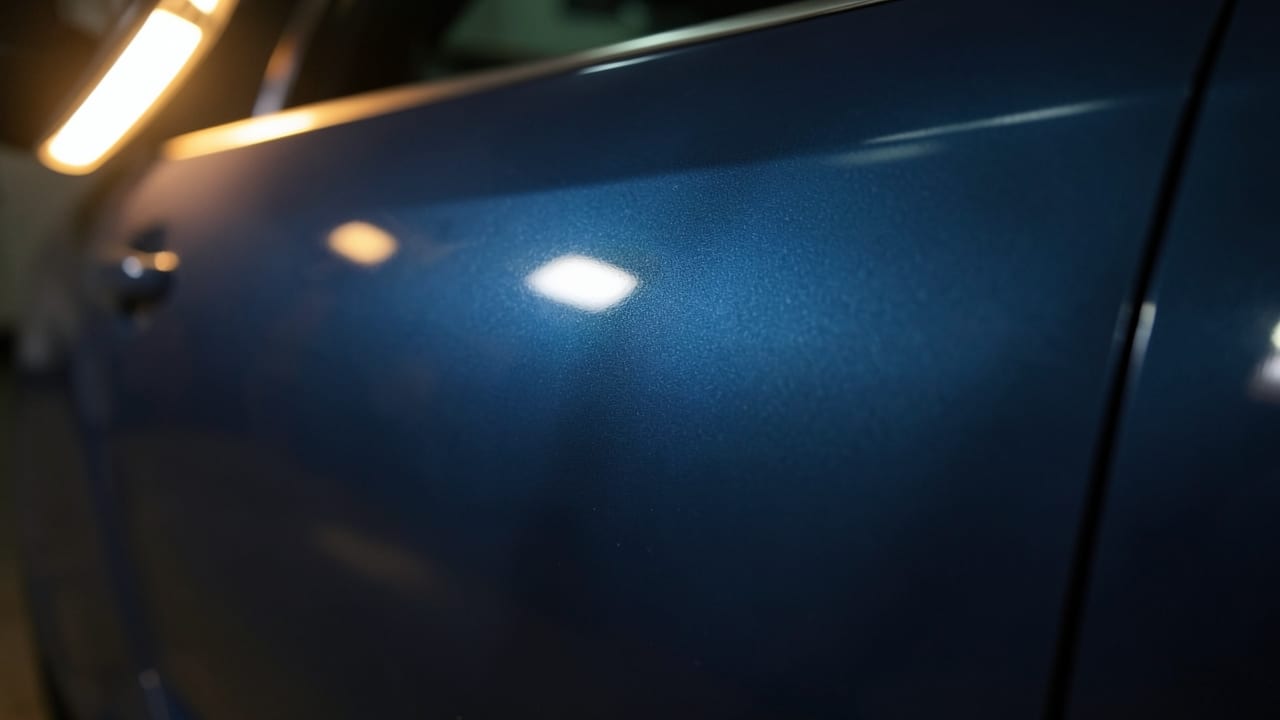
Clay Bar Paint Decontamination in Brighton, CO
Clay bar paint decontamination in Brighton, CO removes bonded surface contaminants a wash alone can't touch, before coating or correction.
Learn MoreCommon Questions About Ceramic Coating in Brighton
Everything you need to know about ceramic coating services in Brighton
How much does Tree Sap Removal typically cost in Brighton, CO?
Can ceramic coating prevent rock chips on mountain roads around Brighton, CO?
Can ceramic coating be applied at home instead of by a detailing shop?
How long does a ceramic coating actually last in real-world use?
What is the difference between graphene and SiO2 ceramic coatings?
Does a ceramic coating need to be topped up over time?
Need Ceramic Coating in Brighton?
Get a written quote from our Brighton crew.
⏰ We answer your call • Serving all of Brighton and surrounding areas