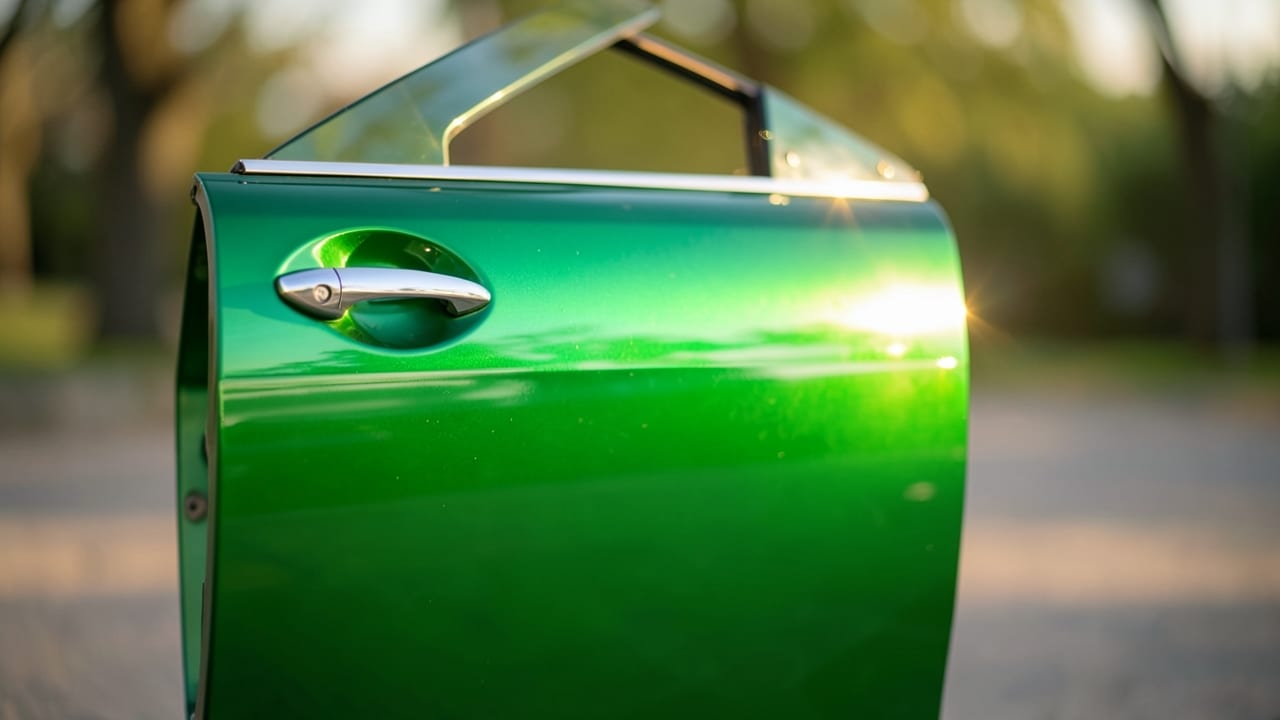
Spring Paint Rejuvenation
Ceramic coating and paint correction to restore and protect vehicle surfaces.
Spring brings the perfect time to refresh your vehicle’s finish with ceramic coating in Brighton, CO. This process includes deep cleaning, paint correction, and applying a protective layer that helps reduce UV damage and contaminants, leaving your car with a glossy, like-new appearance.
Ideal for local drivers, it’s tailored to Brighton’s mix of urban and rural roads, where dust and road grime can dull even the most meticulously maintained paint over time.
We also handle Water Spot Removal and Pre-Winter Paint Sealant Application for Brighton vehicles.
When your vehicle needs rejuvenation
Ceramic coatings don’t last forever, and their performance fades gradually. The first sign is often water beading less effectively—smaller, tighter beads turn into wider sheets across the panel. Another clue is a loss of that distinctive slick feel when you run your hand over the paint.
If road grime that once rinsed off now requires scrubbing, or if your vehicle’s reflection looks duller under direct light, it’s time to evaluate whether a rejuvenation could help.
Brighton’s mix of highway dust, industrial fallout, and seasonal road treatments accelerates wear. A coating applied in spring helps lock in freshness for the year ahead, but it won’t prevent rock chips or deep scratches.
Think of it as an extra layer of armor against daily grit and UV exposure, not a replacement for careful driving.
Signs Your Coating May Need Refreshing
- Water no longer beads into tight droplets but spreads or sheets across panels instead.
- Grime that once rinsed off now requires scrubbing with wash mitts or sponges.
- The paint feels less slick to the touch—more like ordinary paint than a freshly coated surface.
- Reflections under direct light appear duller, even if no single scratch is visible.
- Contaminants like rail dust or industrial fallout are visibly embedded in the glossy layer.
What affects pricing and timing
The scope of your vehicle’s rejuvenation depends on its current condition. If deep swirls or oxidation are present, paint correction will be needed before coating—this step isn’t optional if those imperfections are locked in beneath the new layer.
Coating tiers also vary: single-layer options provide basic protection, while multi-layer or graphene-based coatings offer longer-lasting hydrophobic properties. Your vehicle’s size and the number of panels to be coated further influence the total time and cost.
Spring is a popular time for this service, so scheduling ahead ensures availability. Prep work—like decontamination and clay bar treatment—can’t be rushed, as skipping these steps shortens how well the coating holds up.
A full rejuvenation typically takes 4–6 hours, including curing time, but this can extend if additional correction is needed.
| Factor | Impact on Pricing/Timing |
|---|---|
| Surface condition (swirls, oxidation) | Requires paint correction before coating, adding time and cost. |
| Coating tier (single-layer vs. multi-layer) | Higher tiers extend protection but increase material and labor costs. |
| Vehicle size and panel count | Larger vehicles or custom paint jobs take longer and may require more product. |
| Prep work (decontamination, clay bar) | Skipping steps reduces effectiveness; thorough prep adds time upfront. |
| Seasonal demand (spring peak) | Scheduling early ensures availability during busy periods. |
Maintenance after coating
A ceramic coating helps protect your vehicle, but its longevity depends on how you care for it. Using a pH-neutral wash soap and the two-bucket method every 2–3 weeks prevents grit from scratching the surface.
Automatic tunnel washes with spinning brushes should be avoided—they drag abrasives across the coating, undoing the protection. Drying with a clean microfiber towel or drying aid also prevents water spots from mineral deposits.
Every few months, a light clay bar or chemical decontamination pass removes bonded contaminants like rail dust. Topping up with a spray sealant refreshes the slick, hydrophobic layer between full rejuvenations.
Winter road treatments, like salt and de-icing chemicals, need prompt rinsing to avoid etching the coating’s surface. Consistency in maintenance matters more than occasional deep cleans.
Using high-alkaline or wax-stripping soaps gradually breaks down the coating’s chemistry. Letting water air-dry deposits mineral spots, and neglecting regular decontamination lets contaminants build up under the gloss. Skipping the two-bucket wash method or reusing dirty mitts introduces fine scratches that shorten the coating’s life.
How spring paint rejuvenation works
This process restores your vehicle’s finish in stages, from deep cleaning to protective coating.
- 1Deep Clean and Decontaminate
The vehicle is thoroughly washed with a pH-neutral soap to remove surface dirt, followed by clay bar treatment to lift embedded contaminants. An iron remover step ensures no metallic particles remain, which could cause future oxidation.
- 2Paint Correction (If Needed)
Swirls, scratches, and oxidation are addressed using compounding and polishing. This step is critical—coating over uncorrected imperfections locks them in permanently.
- 3Apply Ceramic Coating
The chosen coating tier is applied in thin, even layers. Multi-layer coatings cure longer but offer extended hydrophobic properties. The vehicle is kept in a dust-free environment during curing.
- 4Final Inspection and Care Guide
After curing, the finish is inspected for consistency. You’ll receive a maintenance guide covering wash methods, products to avoid, and signs the coating needs refreshing.
- 5Post-Service Tips
Avoid washing for 48–72 hours to allow full curing. Use only pH-neutral soaps and microfiber tools to preserve the coating’s longevity.
Frequently asked questions
Will a ceramic coating fix deep scratches or rock chips?
No, coatings add surface hardness to resist light swirling and UV damage but don’t restore structural integrity. Deep scratches or chips will still require professional repair.
How often should I wash my coated vehicle?
Every 2–3 weeks using the two-bucket method with pH-neutral soap. Automatic washes with brushes should be avoided, as they introduce fine scratches.
Can I apply a wax over my ceramic coating?
No, wax isn’t compatible with coatings. Instead, use a spray sealant every few months to refresh the hydrophobic layer between full rejuvenations.
What’s the difference between single-layer and multi-layer coatings?
Single-layer coatings offer basic protection and shorter durability, while multi-layer coatings provide longer-lasting hydrophobic properties and UV resistance. The choice depends on your vehicle’s exposure and budget.
Where Brighton sits, and what the Census lists nearby
Brighton sits in Colorado, and the closest places listed in the U.S. Census Gazetteer are Todd Creek (4 miles west), Lochbuie (4.7 miles northeast), Commerce City (5.7 miles south), Fort Lupton (8.1 miles north). Within 25 miles of Brighton the same source lists 59 distinct incorporated places and census-designated places.
Those figures matter for spring paint rejuvenation because they are straight-line distances between Census coordinate points: road mileage between Brighton and Todd Creek runs longer than the 4 miles shown, which is why quotes for the same job differ between towns that look close together on a map.
Source: U.S. Census Bureau Gazetteer.
See Broomfield, CO for more, or see our full crew's Brighton services by neighborhood for our complete lineup.
Ready to get started?
Talk to a local ceramic coating pro in Brighton — get a written quote.
Other Ceramic Coating Services in Brighton
Water Spot Removal in Brighton, CO
Professional removal of water spots from ceramic-coated or painted surfaces to restore appearance.
Learn More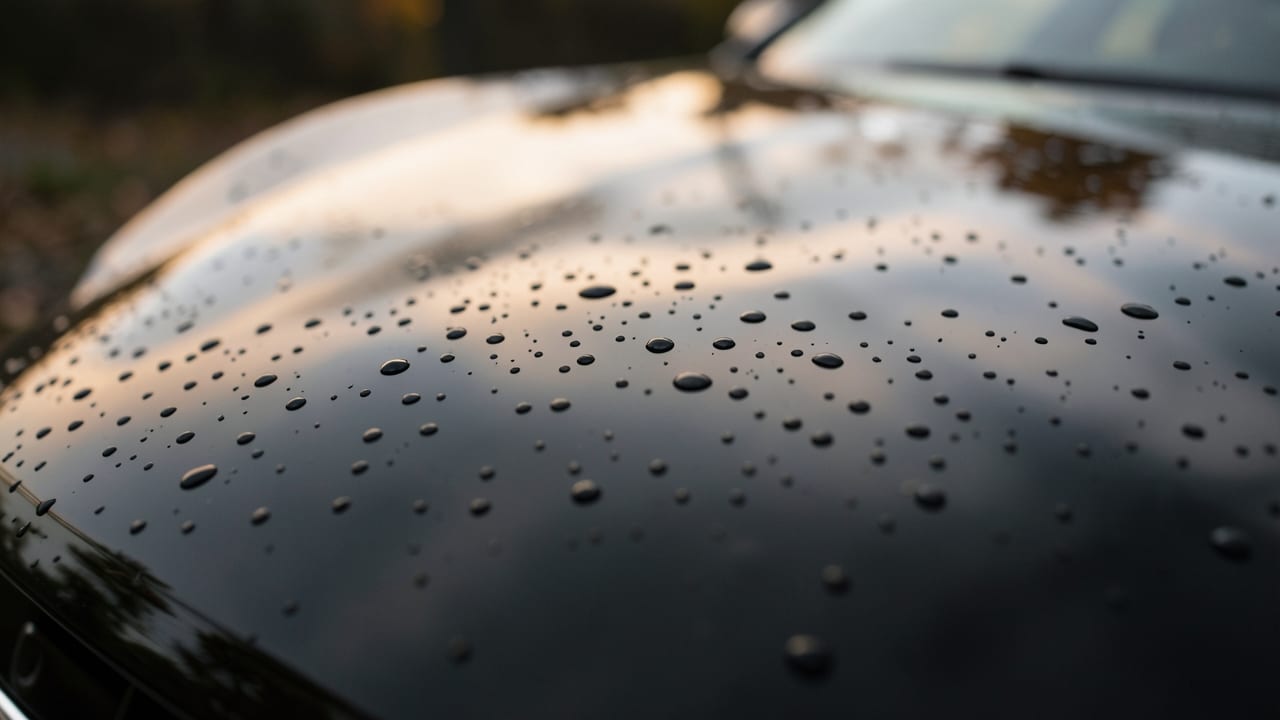
Pre-Winter Paint Sealant Application in Brighton, CO
Professional application of ceramic-based sealant to protect vehicle paint before winter.
Learn More
Annual Ceramic Maintenance Wash in Brighton, CO
Professional cleaning and reapplication of ceramic coatings to preserve paint protection.
Learn More
Mid-Summer UV Protection Top-Up in Brighton, CO
Ceramic coating reapplication to restore UV protection and gloss on vehicle paint.
Learn More
Post-Storm Contaminant Removal in Brighton, CO
Removal of contaminants from vehicle paint after storms, followed by ceramic coating application.
Learn More
Full-Vehicle Ceramic Coating in Brighton, CO
Professional nano-ceramic coating for vehicles in Brighton, CO — a hard, semi-permanent SiO2 layer for deep gloss, strong hydrophobic protection, and easier washing.
Learn MoreCommon Questions About Ceramic Coating in Brighton
Everything you need to know about ceramic coating services in Brighton
How much does Spring Paint Rejuvenation typically cost in Brighton, CO?
Can ceramic coating prevent rock chips on mountain roads around Brighton, CO?
What is the difference between graphene and SiO2 ceramic coatings?
Does a ceramic coating need to be topped up over time?
Can a ceramic coating be applied over existing swirl marks or light scratches?
Is ceramic coating ever covered by comprehensive auto insurance?
Need Ceramic Coating in Brighton?
Get a written quote from our Brighton crew.
⏰ We answer your call • Serving all of Brighton and surrounding areas