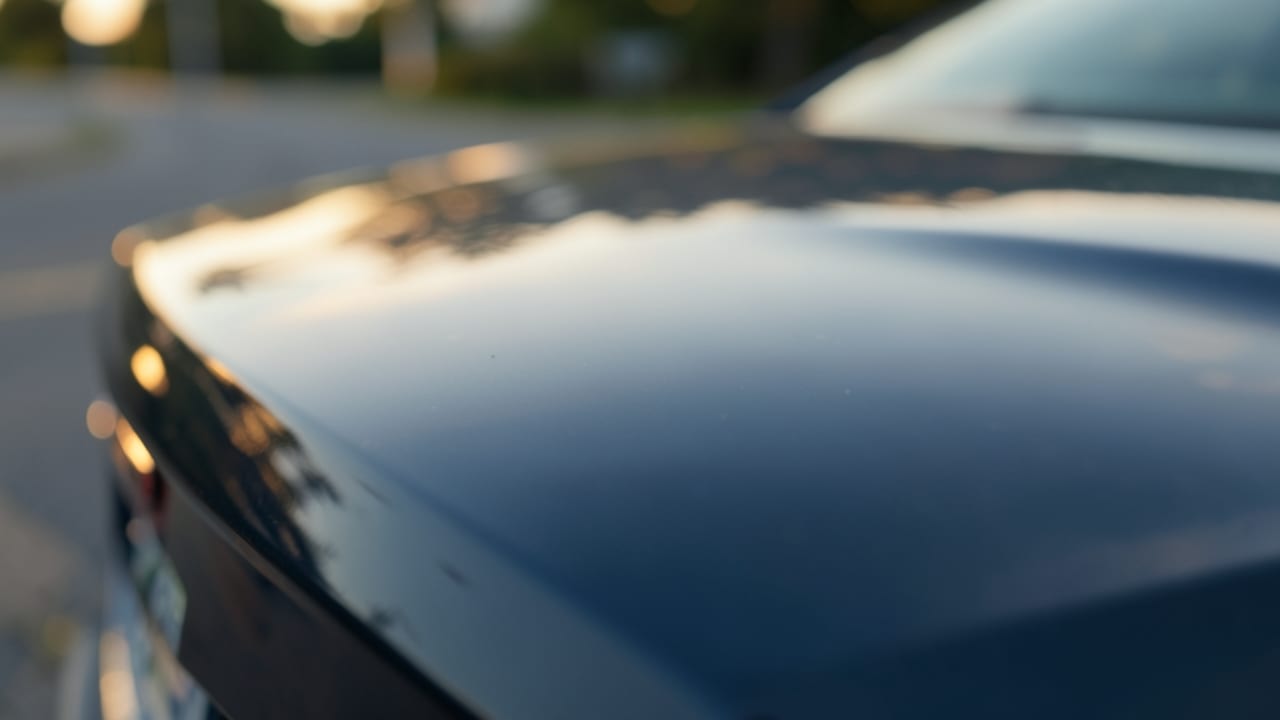
Water Spot Removal
Professional removal of water spots from ceramic-coated or painted surfaces to restore appearance.
Water spot removal in Brighton, CO targets mineral deposits and embedded contaminants on vehicle surfaces left by hard water or environmental exposure. Unlike general washing, this service focuses on stubborn stains that resist soap and water, using targeted chemicals and gentle polishing to restore shine without damaging protective coatings.
Serving Brighton and surrounding areas, this process helps maintain your vehicle’s finish between regular washes and sealant applications.
We also handle Post-Storm Contaminant Removal and Full-Vehicle Ceramic Coating for Brighton vehicles.
When water spot removal is needed
Water spots and embedded contaminants often appear as tiny dark specks or bumpy textures that linger after washing. These spots are typically mineral deposits from hard water or airborne particles like brake dust, tar, or industrial fallout.
If your vehicle’s paint feels gritty or shows faint stains that don’t disappear with soap and water, it’s time for targeted removal.
Contaminants like tree sap, bird droppings, or road tar can also leave behind residue that bonds to the paint over time. If spots reappear after cleaning or leave a shadowy outline, they’ve likely penetrated the surface and require specialized treatment.
Ignoring these can lead to etching or permanent damage, especially on lighter paint colors.
Signs You Need Water Spot Removal
- Dark specks remain after washing with soap and water, especially on lighter paint.
- Paint feels bumpy or gritty to the touch, even after a thorough wash.
- Spots leave a faint shadow or reappear in the same location after cleaning.
- Contaminants like tar, sap, or brake dust are visibly embedded in the paint.
How contaminants affect your vehicle’s finish
Not all stains respond to the same cleaning method. For example, iron particles from brake dust require a dedicated iron remover, while tar or sap needs a specialized adhesive remover.
Using the wrong product can smear contaminants across a wider area, worsening the damage. Proper identification and treatment are key to restoring your vehicle’s finish without causing further harm.
Skipping steps like clay bar treatment or iron removal can leave embedded particles under a new coating, reducing its effectiveness. A thorough prep process—including decontamination, clay bar work, and chemical treatments—helps ensure the coating adheres properly and lasts longer.
| Contaminant Type | Common Source | Treatment Required |
|---|---|---|
| Iron particles | Brake dust, industrial fallout | Iron remover and clay bar |
| Tar or sap | Road tar, tree sap | Adhesive remover and mechanical lift |
| Bird droppings | Bird waste | pH-balanced cleaner and gentle polishing |
| Hard water spots | Mineral deposits | Water spot remover and light polishing |
Maintaining your vehicle’s finish long-term
Preventing water spots and contaminants starts with regular washing and prompt treatment. Removing bird droppings, sap, or tar within a day or two reduces the risk of bonding and etching. Parking away from trees, industrial areas, or high-traffic roads can also minimize exposure to contaminants that require deep cleaning.
Applying a spray sealant after decontamination adds an extra layer of protection, making it harder for future contaminants to bond. Regular maintenance, including washing with the right products and avoiding harsh chemicals, helps preserve your vehicle’s finish between professional treatments.
How water spot removal works
- 1Contaminant Identification
The affected area is inspected to determine the type of contaminant—whether it’s iron particles, tar, sap, or mineral deposits. Each requires a specific chemical treatment to avoid damaging the paint.
- 2Targeted Chemical Treatment
A product formulated for the identified contaminant is applied and allowed to dwell on the surface. For example, iron remover is used for brake dust, while adhesive remover tackles tar or sap.
- 3Mechanical Lift (If Needed)
If chemical treatment alone doesn’t fully release the contaminant, a clay bar or mitt is gently worked over the treated area with a lubricant to lift embedded particles without scratching.
- 4Rinse and Inspection
The area is rinsed clean, and the surface is inspected under direct light to confirm the contaminant is fully removed. Some contaminants may appear gone indoors but reappear outdoors.
- 5Protective Follow-Up
A spray sealant or coating topper is applied to restore the paint’s protective layer, which may have been disturbed during the removal process.
Frequently asked questions
Can water spot removal damage my vehicle’s paint?
When performed correctly, water spot removal is designed to be gentle on paint surfaces. However, using the wrong chemicals or scrubbing too aggressively can cause scratches. Always work with a professional who uses the right products for your vehicle’s finish.
How often should I have water spot removal done?
The frequency depends on your environment—how much exposure your vehicle has to hard water, industrial fallout, or contaminants like tree sap. A good rule is to treat visible spots promptly and consider a professional decontamination every 6–12 months for long-term maintenance.
Will water spot removal work on all types of paint?
The process is adaptable to most paint types, including ceramic coatings and standard paint. However, some finishes may require adjustments in chemical strength or polishing techniques. Always discuss your vehicle’s specific paint with the technician before starting.
Can I prevent water spots from coming back?
Regular washing with a water spot remover, using a high-quality car wash soap, and applying a spray sealant can help reduce recurrence. Parking in shaded areas and rinsing your vehicle after exposure to contaminants also minimizes buildup.
Where Brighton sits, and what the Census lists nearby
Brighton sits in Colorado, and the closest places listed in the U.S. Census Gazetteer are Todd Creek (4 miles west), Lochbuie (4.7 miles northeast), Commerce City (5.7 miles south), Fort Lupton (8.1 miles north). Within 25 miles of Brighton the same source lists 59 distinct incorporated places and census-designated places.
Those figures matter for water spot removal because they are straight-line distances between Census coordinate points: road mileage between Brighton and Todd Creek runs longer than the 4 miles shown, which is why quotes for the same job differ between towns that look close together on a map.
Source: U.S. Census Bureau Gazetteer.
See North Washington, CO for more, or check out the ceramic coating work we do around Brighton by category for our complete lineup.
Ready to get started?
Talk to a local ceramic coating pro in Brighton — get a written quote.
Other Ceramic Coating Services in Brighton
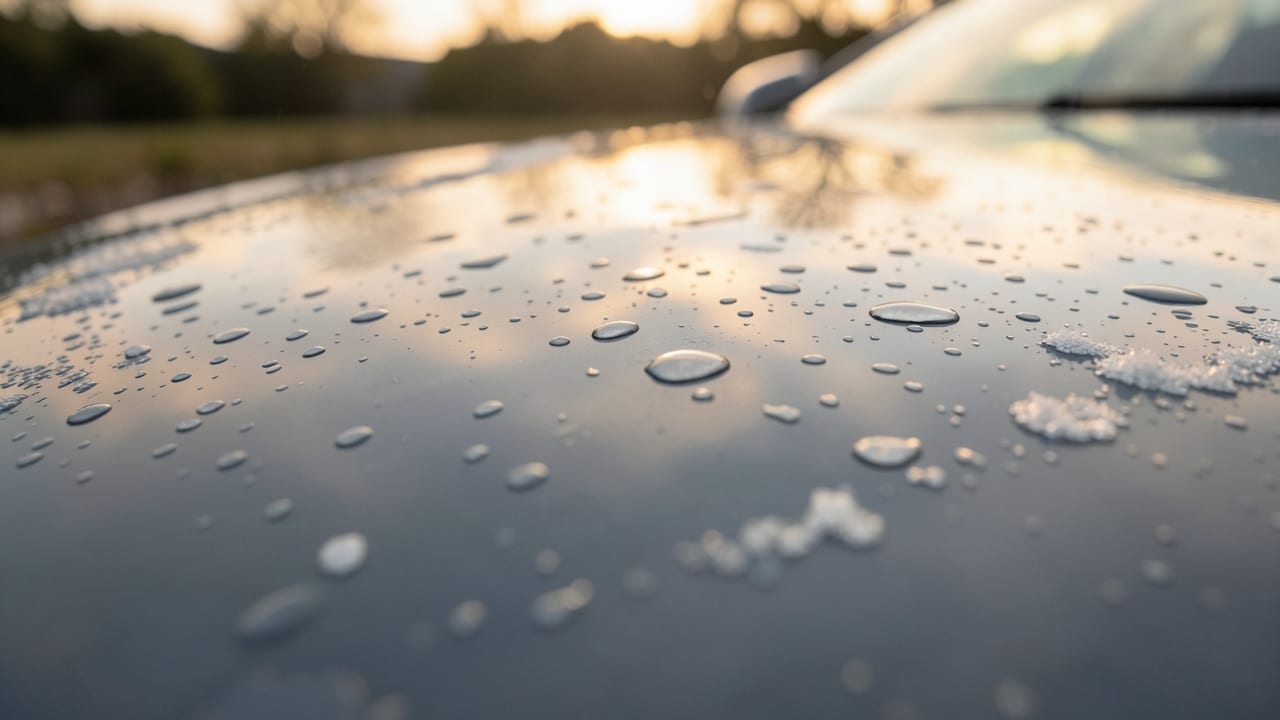
Post-Storm Contaminant Removal in Brighton, CO
Removal of contaminants from vehicle paint after storms, followed by ceramic coating application.
Learn More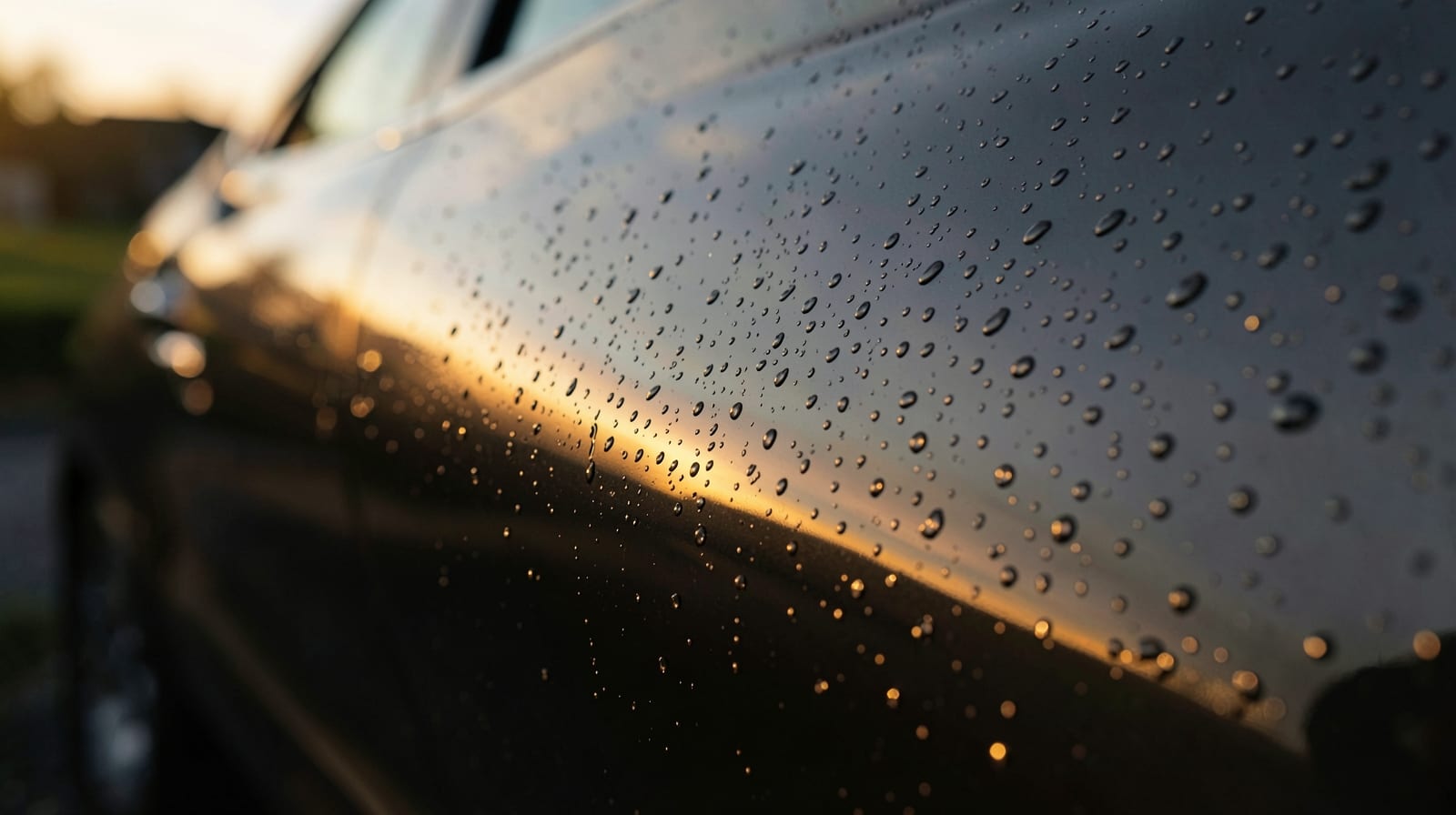
Full-Vehicle Ceramic Coating in Brighton, CO
Professional nano-ceramic coating for vehicles in Brighton, CO — a hard, semi-permanent SiO2 layer for deep gloss, strong hydrophobic protection, and easier washing.
Learn More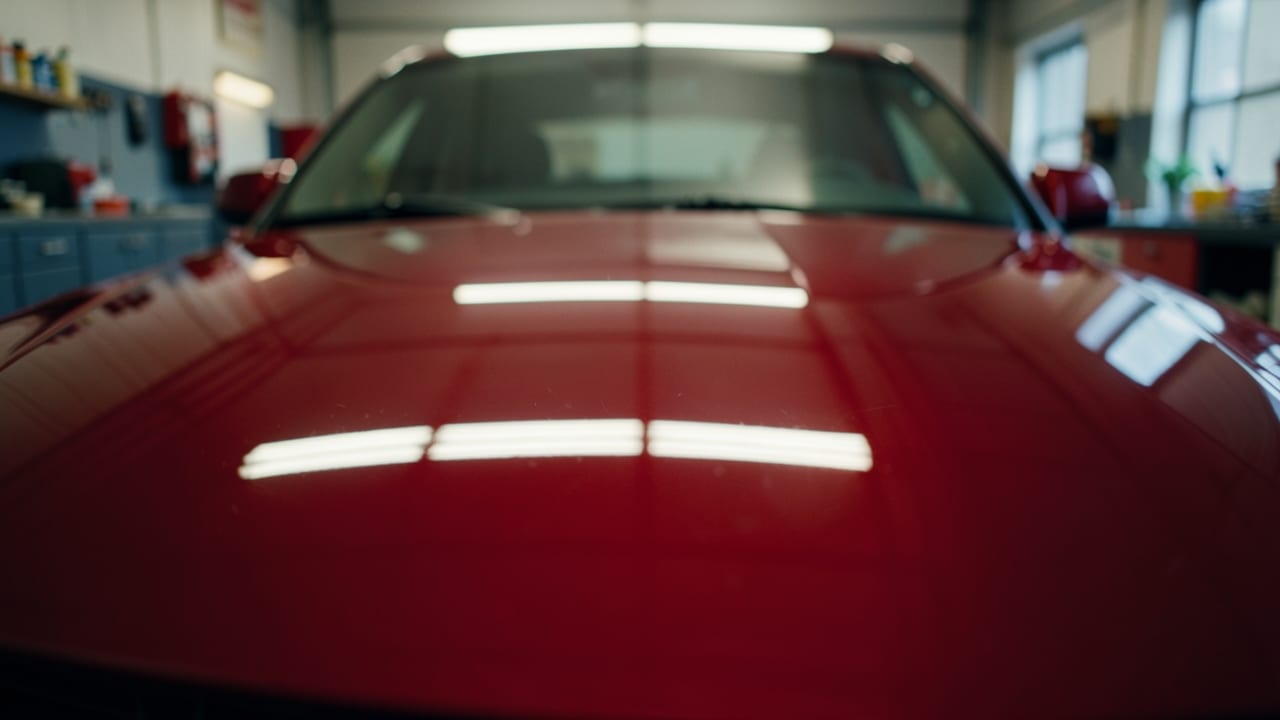
Paint Correction & Polishing in Brighton, CO
Machine paint correction and polishing in Brighton, CO — removes swirl marks, oxidation, and water spots, and is the mandatory first step before any ceramic coating.
Learn More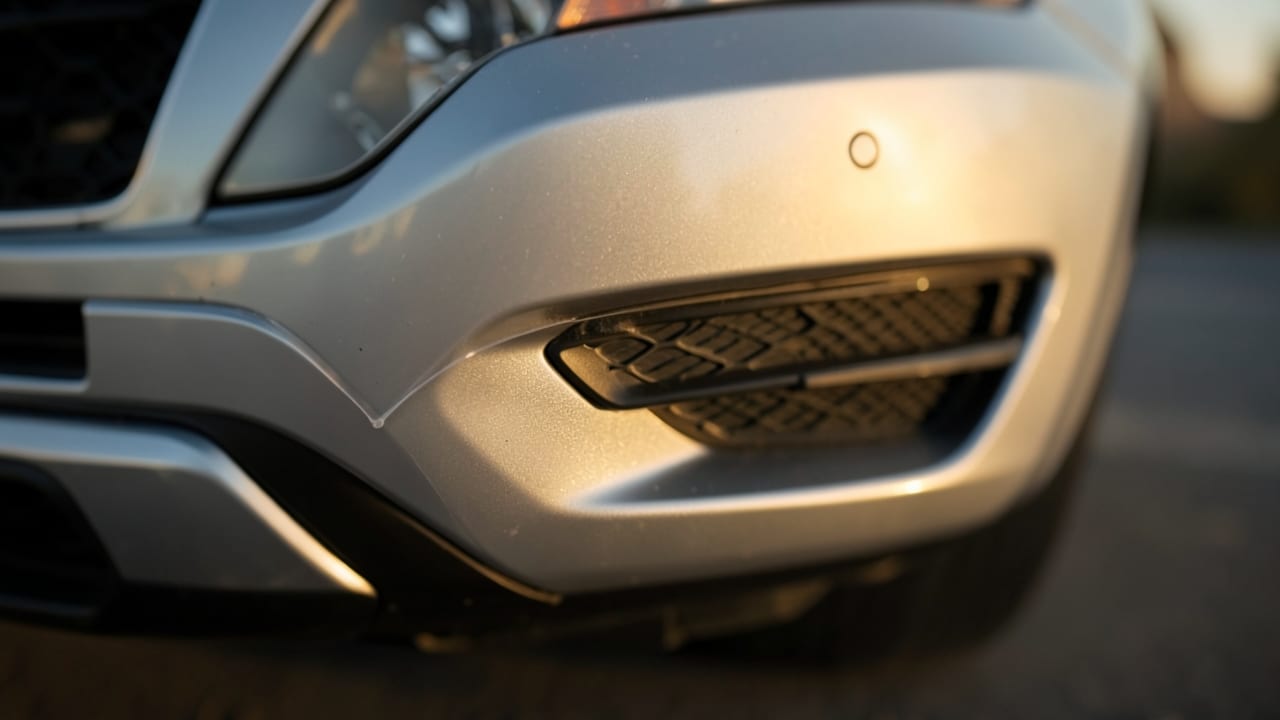
Paint Protection Film (PPF) Installation in Brighton, CO
Self-healing clear PPF installation in Brighton, CO for high-impact panels or a full-body wrap — real physical protection against rock chips and road debris.
Learn More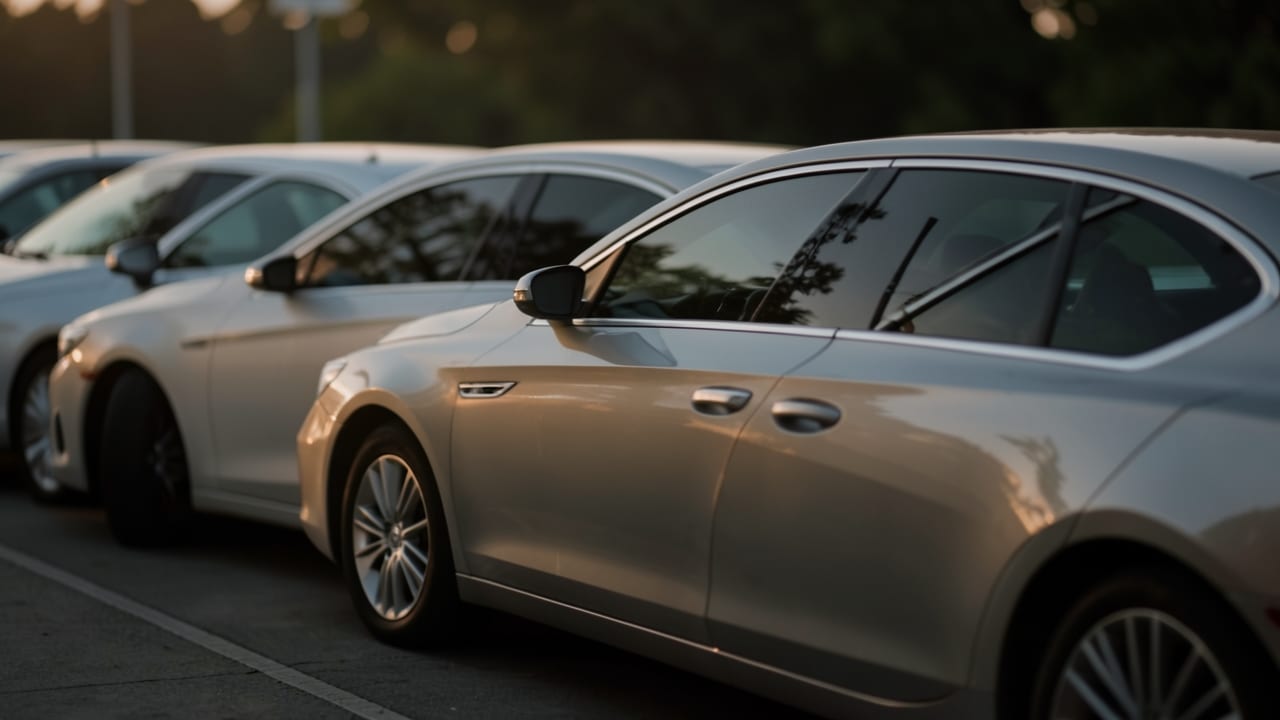
Ceramic Window Tint in Brighton, CO
Nano-ceramic window tint in Brighton, CO — rejects heat and blocks 99% of UV without the signal interference or fading of cheaper films.
Learn More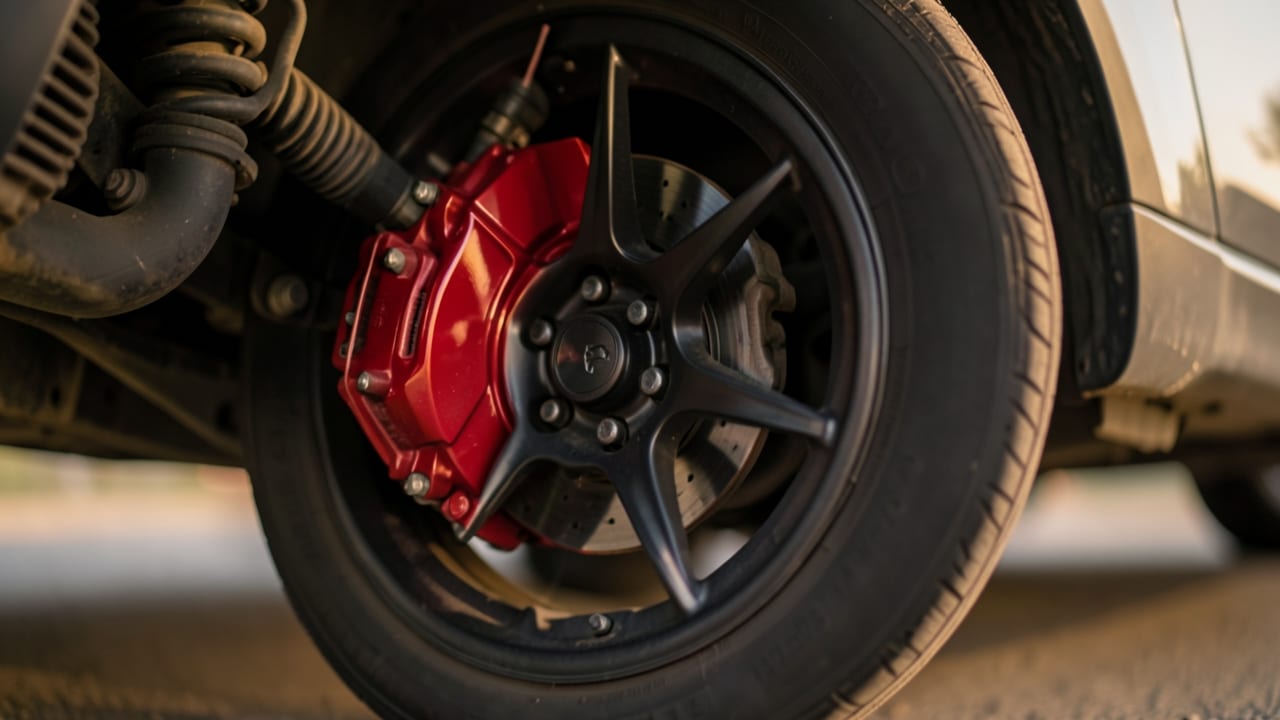
Wheel & Brake Caliper Ceramic Coating in Brighton, CO
Dedicated ceramic coating for wheels and brake calipers in Brighton, CO — stops brake dust and corrosive grime from bonding to the finish.
Learn MoreCommon Questions About Ceramic Coating in Brighton
Everything you need to know about ceramic coating services in Brighton
How much does Water Spot Removal typically cost in Brighton, CO?
Can ceramic coating prevent rock chips on mountain roads around Brighton, CO?
Can a ceramic coating be applied over existing swirl marks or light scratches?
Is ceramic coating ever covered by comprehensive auto insurance?
Can ceramic coating be applied over a vinyl wrap or matte paint?
What does proper paint prep before a ceramic coating actually involve?
Need Ceramic Coating in Brighton?
Get a written quote from our Brighton crew.
⏰ We answer your call • Serving all of Brighton and surrounding areas