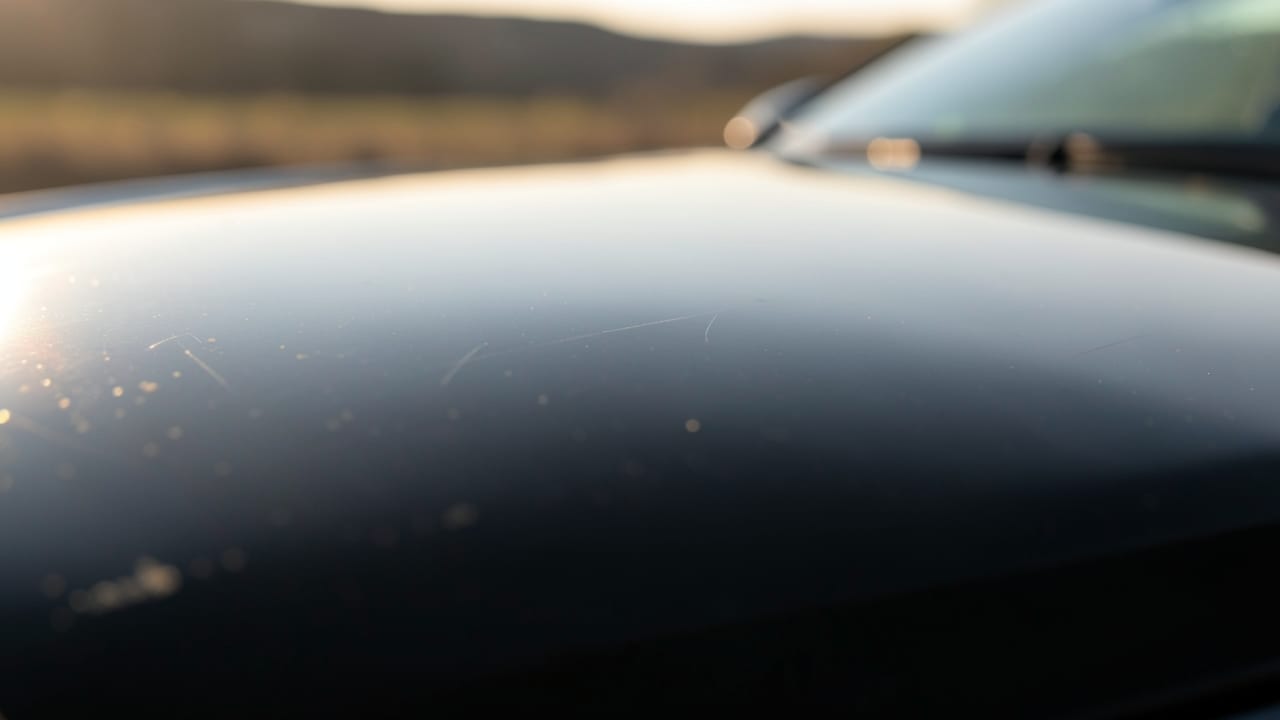
Bird Dropping Removal
Professional removal of bird droppings to prevent paint damage and maintain ceramic coatings.
Bird droppings contain acids that can etch paint and degrade ceramic coatings over time, especially in Brighton’s varied climate. This service identifies the specific contaminant, applies targeted chemical treatments, and restores surface protection to prevent long-term damage.
Local conditions—like tree sap and industrial fallout—can complicate removal, making precise techniques essential for lasting results.
We also handle Fleet & Commercial Vehicle Coating and Graphene Coating for Brighton vehicles.
Why bird droppings need special care
Bird droppings aren’t just unsightly—they contain uric acid, which etches paint and weakens ceramic coatings if left untreated. Unlike general dirt, these acids bond to surfaces, making them harder to remove over time.
Brighton’s mix of urban and rural areas means vehicles often face repeated exposure, requiring prompt attention to avoid permanent damage.
The longer droppings sit, the deeper they penetrate. What starts as a surface stain can become a permanent blemish, especially on light-colored or coated finishes. A targeted approach—identifying the contaminant first—ensures the right chemistry is used to lift the residue without harming the paint or coating underneath.
Signs Your Vehicle Needs Bird Dropping Removal
- Dark, stubborn specks that won’t wash off with soap and water, even on lighter paint colors.
- Paint that feels gritty or bumpy to the touch, even after a thorough wash.
- Faint shadows or recurring stains in the same spot after parking under a tree or near bird activity.
- Dull or hazy areas where bird droppings were previously located, indicating acid etching.
How local conditions affect the process
Brighton’s proximity to industrial areas and tree-lined streets means vehicles often encounter not just bird droppings, but also tar, brake dust, and sap. Each contaminant requires a different chemical treatment—using the wrong product can smear the issue further or scratch the paint.
For example, iron particles from brake dust need a dedicated remover, while sap requires an adhesive-breaking solution.
Climate also plays a role. Higher humidity can accelerate acid damage, while direct sunlight may bake contaminants into the paint faster. Regular rinsing within a day or two of exposure helps prevent bonding, but once embedded, a full decontamination process is needed to restore the finish.
| Contaminant | Common Signs | Required Treatment |
|---|---|---|
| Bird droppings | Etched or hazy spots, persistent stains | Acid-neutralizing cleaner + targeted dwell time |
| Tree sap | Sticky residue, faint shadows after wiping | Adhesive remover + clay bar lift |
| Brake dust (iron particles) | Orange/rust specks, gritty texture | Iron remover + lubricated clay mitt |
| Tar | Black, sticky patches, hard to rinse | Tar-specific solvent + mechanical lift |
Protecting your finish after cleaning
Even after removal, the paint’s protective layer may be compromised. A spray sealant or coating topper is applied afterward to restore this barrier, reducing the risk of future contamination bonding as deeply. Skipping this step leaves the surface more vulnerable to the next round of bird droppings or industrial fallout.
Prevention is key in Brighton’s environment. Parking away from trees that drop sap or areas with heavy bird activity, combined with regular rinsing, can significantly reduce how often decontamination is needed. A slick spray sealant applied post-treatment also makes it harder for new contaminants to adhere.
How bird dropping removal works
This process targets the specific chemistry of bird droppings to lift residue without damaging the paint or coating.
- 1Contaminant Identification
The type of stain—bird droppings, sap, or brake dust—is identified first, as each requires a different chemical treatment. Droppings are tested for acid presence, which determines the neutralizer used.
- 2Chemical Treatment Application
A specialized cleaner formulated for bird droppings is applied and left to dwell, breaking down the uric acid bonds. This step ensures the contaminant lifts cleanly rather than smearing or scratching the paint.
- 3Mechanical Lift (If Needed)
If chemical treatment alone doesn’t remove all residue, a clay bar or mitt is used with a lubricant to gently lift embedded particles without dragging grit across the surface.
- 4Inspection and Rinse
The area is rinsed thoroughly and inspected under direct light to confirm the contaminant is fully removed. Some stains may appear gone indoors but reappear outdoors under sunlight.
- 5Protective Follow-Up
A spray sealant or coating topper is applied to restore the protective layer stripped during decontamination, leaving the paint no more exposed than before the droppings landed.
Frequently asked questions
Can bird droppings damage a ceramic coating?
Yes, the acids in bird droppings can etch both paint and ceramic coatings over time. Prompt removal with the right chemistry helps prevent long-term degradation, but repeated exposure may still reduce the coating’s lifespan.
Why do some stains come back after washing?
If a stain reappears after washing, it’s likely because the contaminant wasn’t fully lifted during the first attempt. Bird droppings or sap may leave embedded residue that requires a targeted chemical treatment and mechanical lift to remove completely.
How often should I get my vehicle checked for bird dropping damage?
If your vehicle is parked near trees or areas with bird activity, a check every few months is advisable. Regular rinsing within 24–48 hours of exposure can prevent most damage, but embedded stains may need professional decontamination.
Will a coating protect against future bird dropping damage?
A ceramic coating adds a layer of hardness, making it slightly more resistant to light etching. However, it doesn’t eliminate the need for prompt removal—droppings left too long can still penetrate and damage the coating over time.
Where Brighton sits, and what the Census lists nearby
Brighton sits in Colorado, and the closest places listed in the U.S. Census Gazetteer are Todd Creek (4 miles west), Lochbuie (4.7 miles northeast), Commerce City (5.7 miles south), Fort Lupton (8.1 miles north). Within 25 miles of Brighton the same source lists 59 distinct incorporated places and census-designated places.
Those figures matter for bird dropping removal because they are straight-line distances between Census coordinate points: road mileage between Brighton and Todd Creek runs longer than the 4 miles shown, which is why quotes for the same job differ between towns that look close together on a map.
Source: U.S. Census Bureau Gazetteer.
See Henderson, CO for more, or discover our complete Brighton service list on a single page for our complete lineup.
Ready to get started?
Talk to a local ceramic coating pro in Brighton — get a written quote.
Other Ceramic Coating Services in Brighton
Fleet & Commercial Vehicle Coating in Brighton, CO
Ceramic coating programs for fleets and commercial vehicles in Brighton, CO — faster washing, longer-lasting branded wraps, and protected resale value.
Learn More
Graphene Coating in Brighton, CO
Graphene coating in Brighton, CO — a premium ceramic alternative with better heat rejection and hydrophobic durability.
Learn More
Clay Bar Paint Decontamination in Brighton, CO
Clay bar paint decontamination in Brighton, CO removes bonded surface contaminants a wash alone can't touch, before coating or correction.
Learn More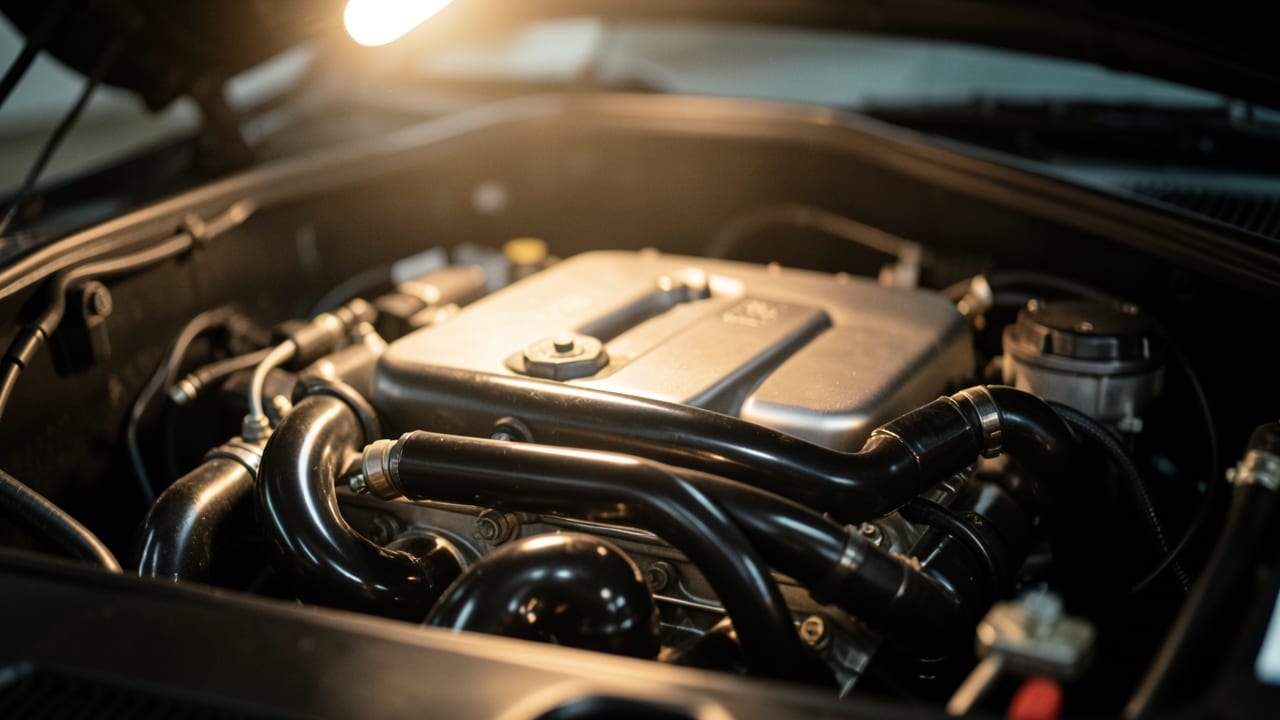
Engine Bay Detailing in Brighton, CO
Engine bay detailing in Brighton, CO — safe degreasing and dressing of the engine compartment without risking electrical components.
Learn More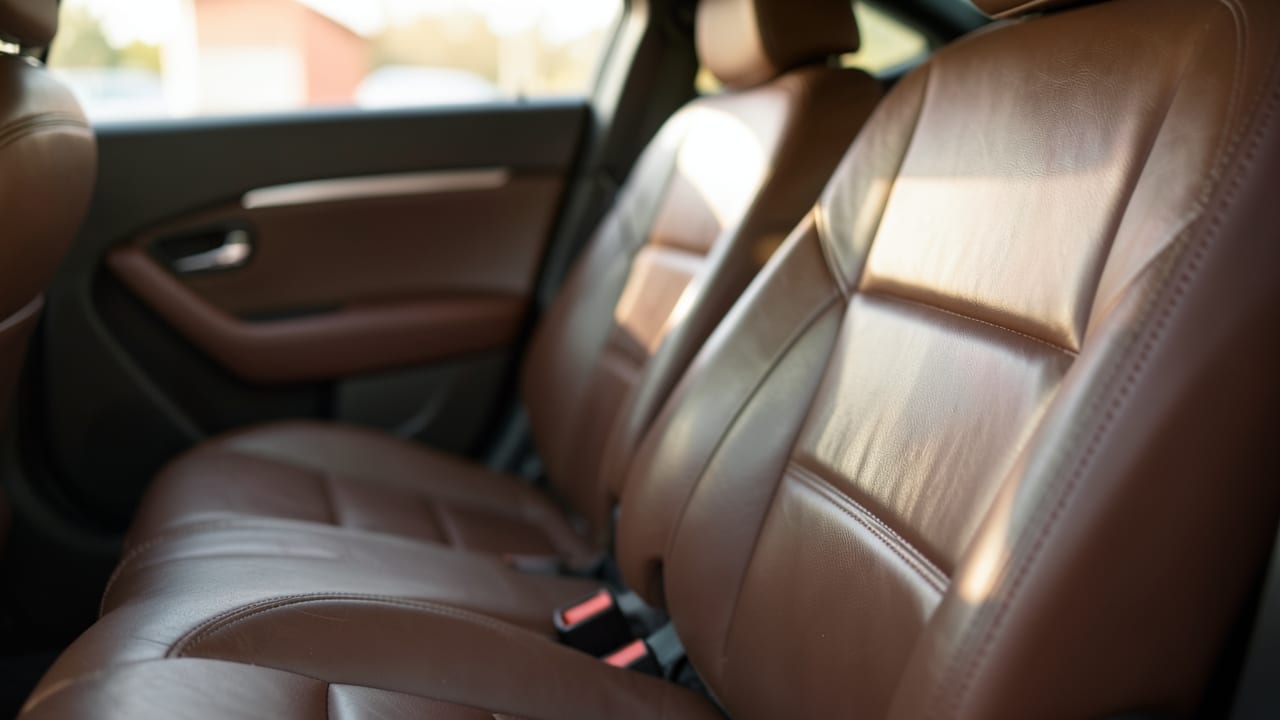
Leather Conditioning in Brighton, CO
Professional application of ceramic coatings to protect and condition leather surfaces.
Learn More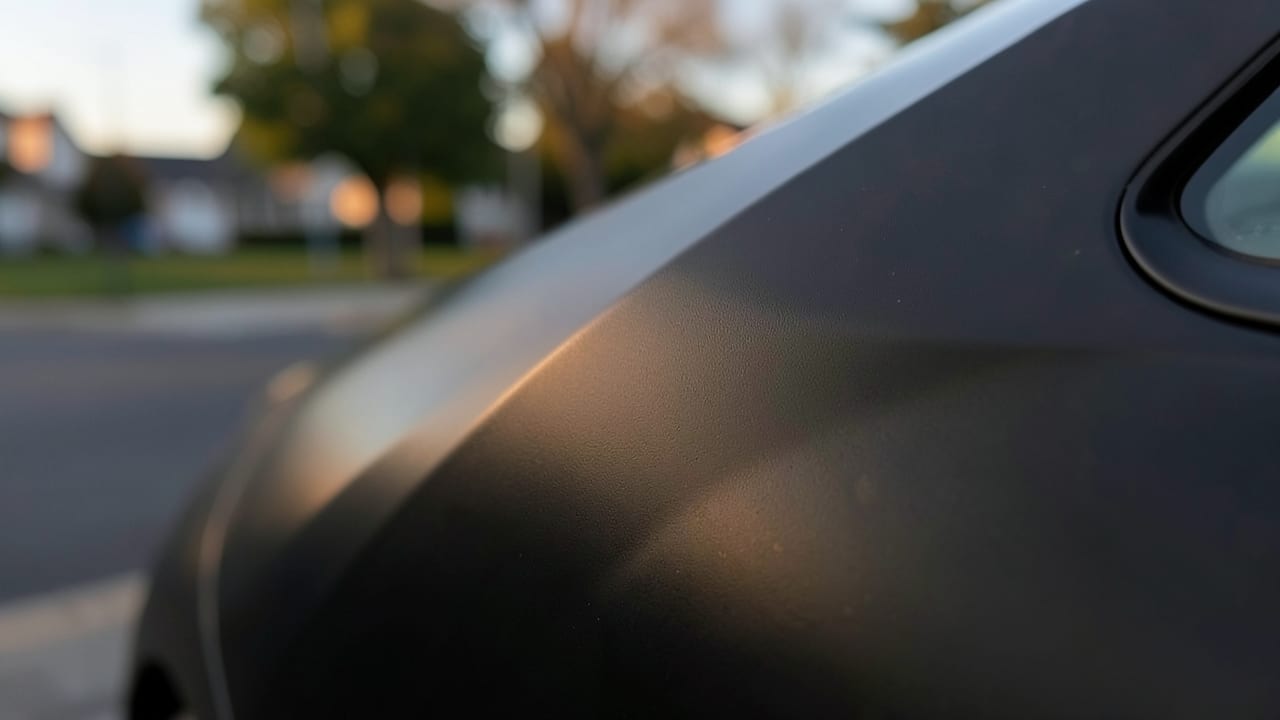
Plastic Trim Restoration in Brighton, CO
Restoring faded or discolored plastic trim with ceramic coatings or protective treatments.
Learn MoreCommon Questions About Ceramic Coating in Brighton
Everything you need to know about ceramic coating services in Brighton
How much does Bird Dropping Removal typically cost in Brighton, CO?
Can ceramic coating prevent rock chips on mountain roads around Brighton, CO?
What is the difference between graphene and SiO2 ceramic coatings?
Does a ceramic coating need to be topped up over time?
Can a ceramic coating be applied over existing swirl marks or light scratches?
Is ceramic coating ever covered by comprehensive auto insurance?
Need Ceramic Coating in Brighton?
Get a written quote from our Brighton crew.
⏰ We answer your call • Serving all of Brighton and surrounding areas