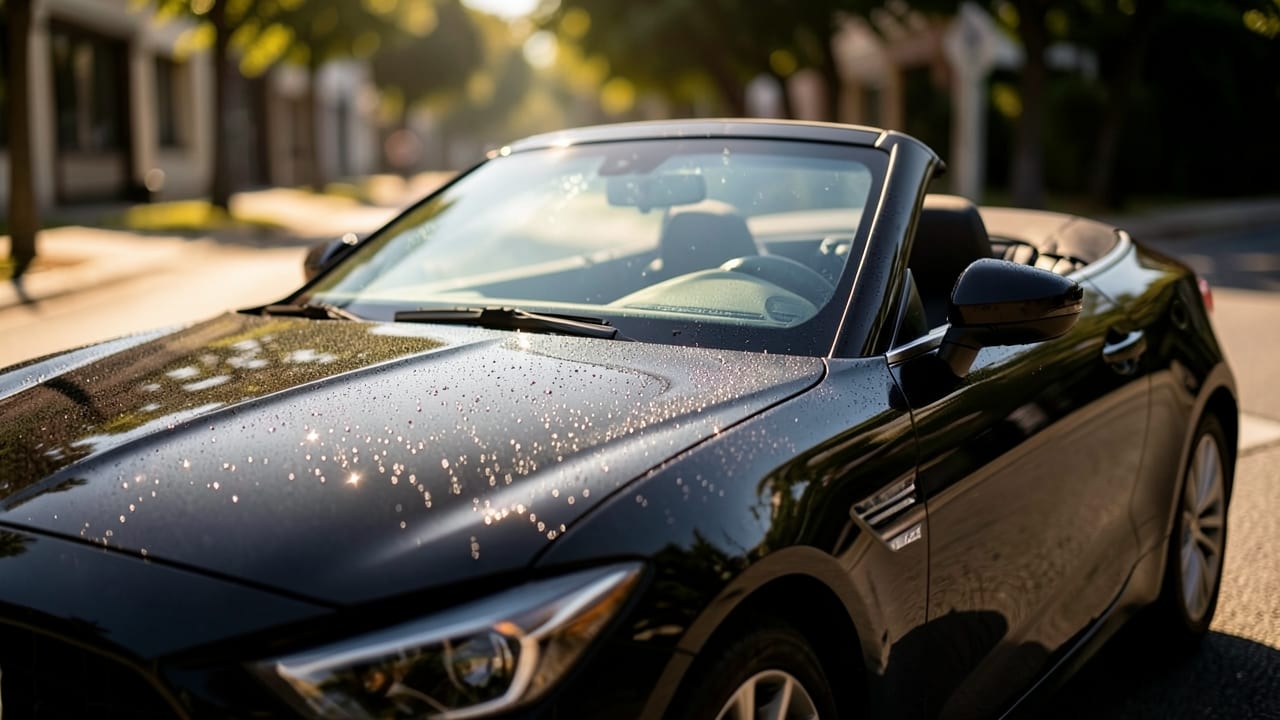
Convertible Top Protection
Ceramic coating and protective treatments applied to convertible tops for durability and UV resistance.
In Brighton, CO, convertible top protection helps shield your fabric or vinyl top from sun damage, stains, and wear. Ceramic coatings or sealants are applied to enhance water resistance and preserve the material’s appearance, extending its lifespan in the region’s variable weather.
This service is tailored for vehicle owners looking to maintain their convertible’s condition for years to come.
We also handle Interior Ceramic Protection and Headlight Restoration & Coating for Brighton vehicles.
Why your convertible top needs protection
Brighton’s mix of sun exposure, temperature swings, and occasional hail can degrade convertible tops over time. Ceramic coatings create a protective layer that repels UV rays, water, and contaminants, keeping the material looking newer longer. Without protection, fabric can fade, vinyl can crack, and stains become harder to remove.
Signs your top may need attention include visible fading, stiffness, or difficulty folding/unfolding. Even minor wear can worsen if left unaddressed, leading to more costly repairs down the road. Protection isn’t just about looks—it’s about preserving function and comfort.
Signs Your Convertible Top Needs Protection
- Water beads up instead of rolling off, indicating lost water resistance.
- Fabric or vinyl feels stiff, dry, or difficult to move smoothly.
- Visible cracks, fading, or discoloration appear after sun exposure.
- Stains or dirt penetrate the material more easily than before.
- Fine swirl marks or haze develop on the surface, especially in darker colors.
What affects the service and its longevity
The effectiveness of convertible top protection depends on the material type (fabric vs. vinyl), its current condition, and the coating product used. Vinyl tops often require more aggressive prep work to remove embedded contaminants, while fabric tops benefit from UV-blocking sealants.
The climate in Brighton—with its dry heat, UV intensity, and occasional storms—can accelerate wear if protection isn’t applied or maintained properly.
Post-service habits play a critical role. Parking in shade during the first few days after application, avoiding automatic car washes, and rinsing off contaminants promptly all help the coating perform as intended. Skipping these steps can lead to uneven curing or premature wear.
| Factor | Impact on Service | How to Address It |
|---|---|---|
| Top Material | Vinyl requires deeper decontamination; fabric needs UV-specific sealants. | Specify your top type during the quote to ensure proper prep and product. |
| Current Condition | Existing cracks or stains may need repair before coating. | Request a full inspection to assess what prep work is needed. |
| Climate Exposure | Brighton’s sun and temperature swings test coatings faster. | Park in shade during cure time and avoid prolonged direct sun. |
| Post-Service Care | Improper washing or ignoring contaminants shortens lifespan. | Use pH-neutral soap and rinse off bird droppings/sap within 48 hours. |
What’s included in the process
A thorough convertible top protection service goes beyond just applying a coating. It starts with a deep clean to remove brake dust, tar, and other contaminants that can interfere with adhesion.
Chemical decontamination and clay bar treatment smooth the surface, ensuring the coating bonds evenly. Skipping these steps can lead to patchy or uneven results.
The coating itself is applied in a controlled environment to ensure proper curing. This step is critical—rushing it or exposing the vehicle to water too soon can compromise the finish.
A detailed explanation of post-service care, including wash methods and curing windows, is provided to help the coating last as long as possible.
Exposing the coated top to rain, heavy dew, or a wash before the cure period ends can leave water-spot marks. Using harsh detergents or abrasive tools during the first few washes may scratch the new surface. Always follow the provided care instructions for best results.
How convertible top protection works
This service involves multiple steps to prepare and protect your top.
- 1Deep Clean and Decontamination
The top is first cleaned with a foam wash to remove loose dirt, followed by a dedicated wheel-and-tire cleaning pass. Chemical decontamination strips embedded brake dust and tar, which are common contaminants that can interfere with coating adhesion.
- 2Clay Bar Treatment
A lubricant and clay bar are used to physically remove bonded contaminants like industrial fallout or overspray. This step ensures the surface is smooth to the touch, confirming that decontamination is complete before coating.
- 3Inspection and Correction
The top is inspected under raking light for swirl marks or light scratches. Any imperfections are corrected with a fine polish to prevent them from being locked under the coating, which would make them permanent.
- 4Coating Application
The ceramic coating or sealant is applied in a dust-free space at controlled humidity and temperature. The top is left undisturbed for the full cure period before exposure to water or washing.
- 5Post-Service Care Instructions
You’ll receive guidance on washing methods, curing windows, and products to avoid. Proper habits in the first few weeks—like parking in shade and avoiding automatic car washes—help the coating perform at its best.
Frequently asked questions
How do I know if my convertible top needs protection?
Look for water that spreads instead of beading, fine swirl marks visible under light, or a dull appearance after washing. These signs indicate the top’s protective layer has worn away and may benefit from reapplication.
Will coating my convertible top make it last forever?
Coatings extend the lifespan of your top by protecting it from UV damage, stains, and wear, but they aren’t permanent. With proper care, they typically last 2–5 years, depending on material type and exposure conditions in Brighton.
Can I wash my convertible top right after the coating is applied?
No, the top must cure fully before exposure to water. Follow the provided instructions for the cure period—usually 48–72 hours—and use only pH-neutral soap and a soft wash mitt to avoid scratching the new surface.
Does coating protect against rock chips or deep scratches?
No, coatings add surface hardness to resist light swirling and staining but don’t stop rock chips or deep scratches. They’re designed to preserve appearance and repel contaminants, not provide impact protection.
Where Brighton sits, and what the Census lists nearby
Brighton sits in Colorado, and the closest places listed in the U.S. Census Gazetteer are Todd Creek (4 miles west), Lochbuie (4.7 miles northeast), Commerce City (5.7 miles south), Fort Lupton (8.1 miles north). Within 25 miles of Brighton the same source lists 59 distinct incorporated places and census-designated places.
Those figures matter for convertible top protection because they are straight-line distances between Census coordinate points: road mileage between Brighton and Todd Creek runs longer than the 4 miles shown, which is why quotes for the same job differ between towns that look close together on a map.
Source: U.S. Census Bureau Gazetteer.
See Todd Creek, CO for more, or explore everything Brighton vehicle owners can book with us on a single page for our complete lineup.
Ready to get started?
Talk to a local ceramic coating pro in Brighton — get a written quote.
Other Ceramic Coating Services in Brighton
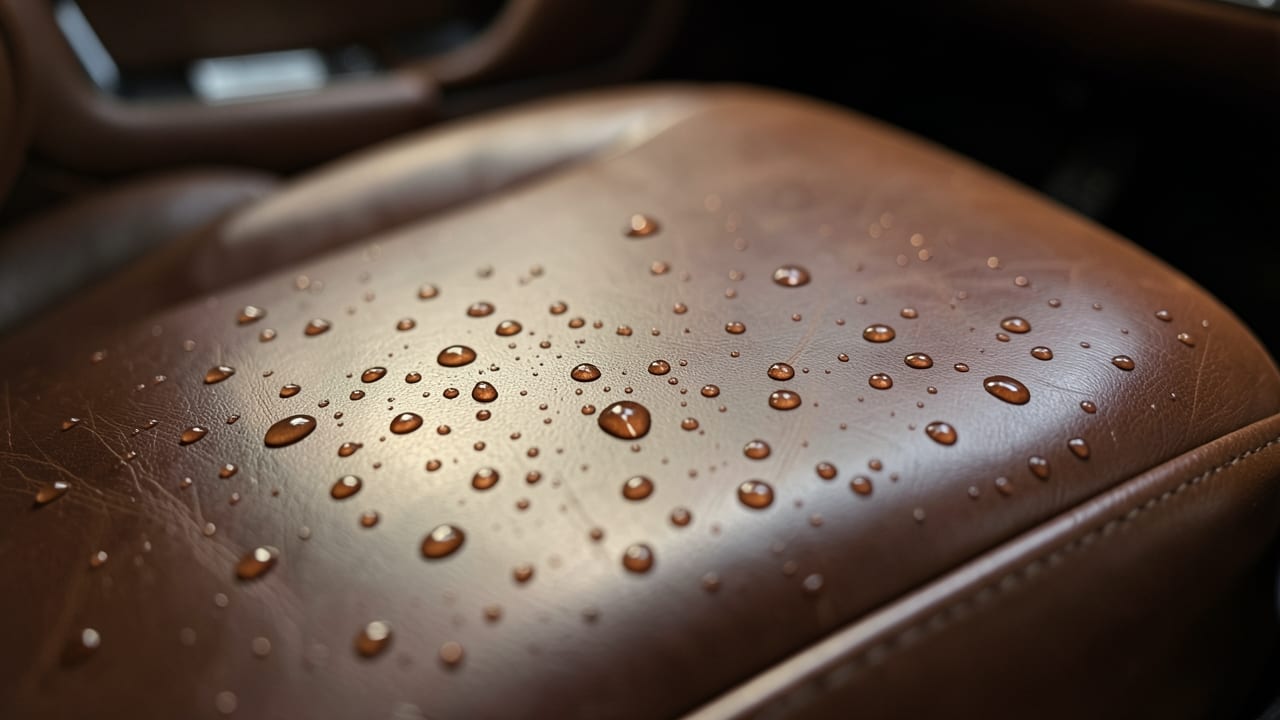
Interior Ceramic Protection in Brighton, CO
Interior fabric, leather, and trim ceramic protection in Brighton, CO — guards against spills, UV fading, and daily wear.
Learn More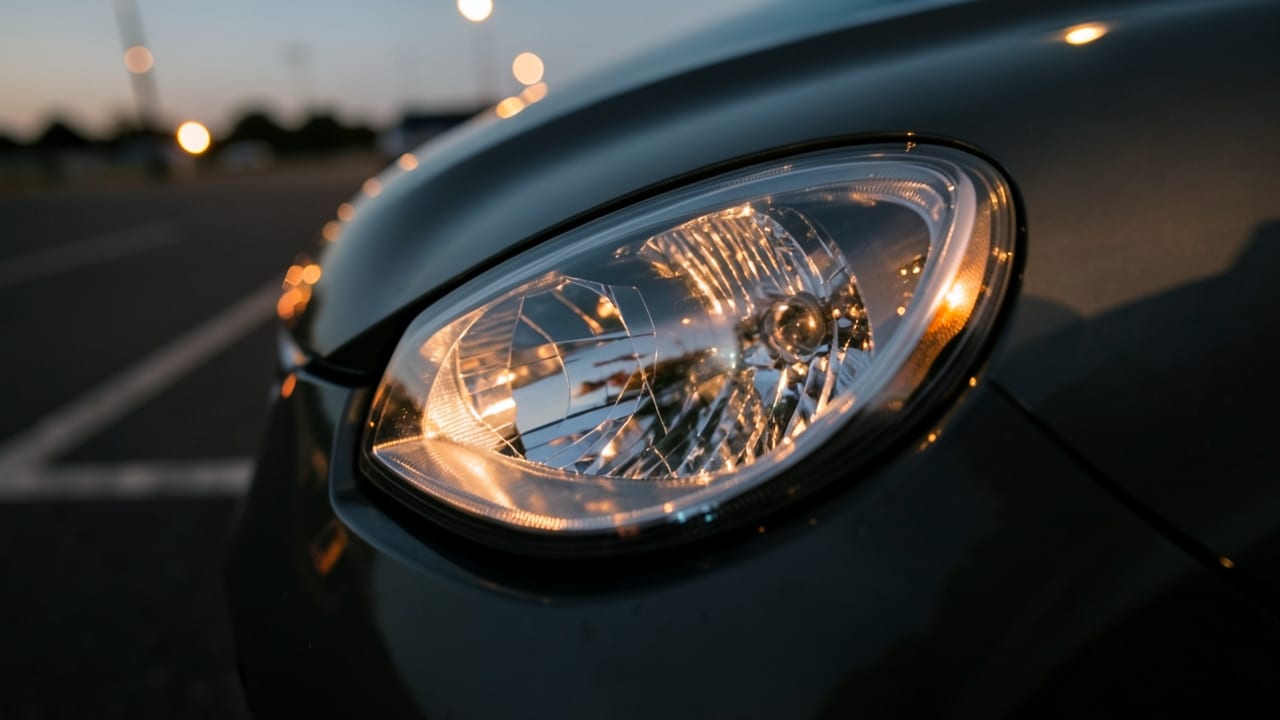
Headlight Restoration & Coating in Brighton, CO
Headlight restoration and UV-protective coating in Brighton, CO — restores clarity and nighttime visibility without replacing the assembly.
Learn More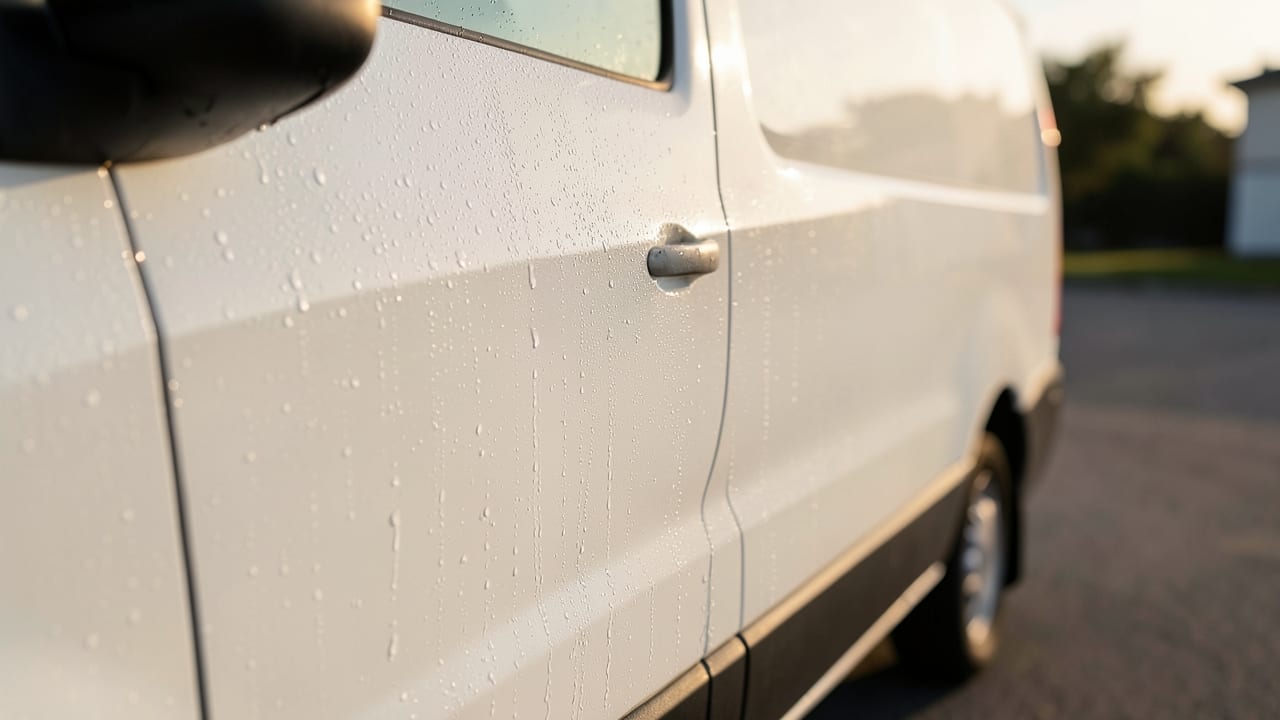
Fleet & Commercial Vehicle Coating in Brighton, CO
Ceramic coating programs for fleets and commercial vehicles in Brighton, CO — faster washing, longer-lasting branded wraps, and protected resale value.
Learn More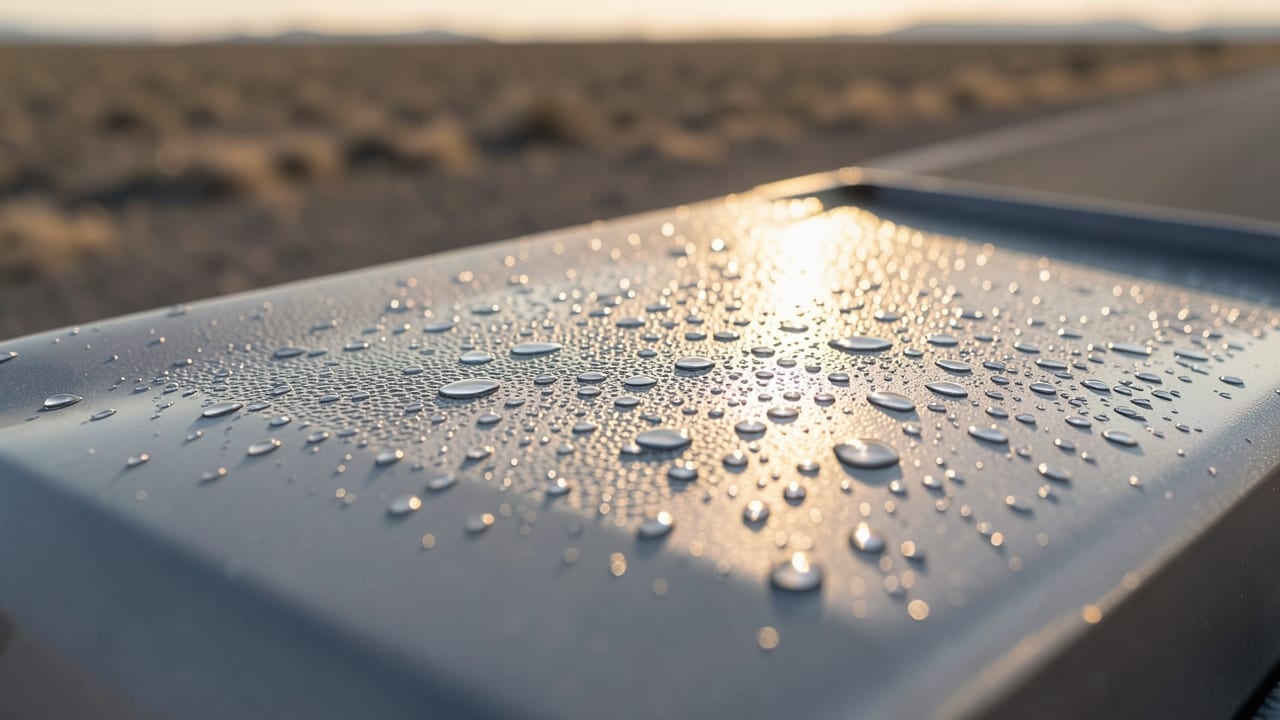
Graphene Coating in Brighton, CO
Graphene coating in Brighton, CO — a premium ceramic alternative with better heat rejection and hydrophobic durability.
Learn More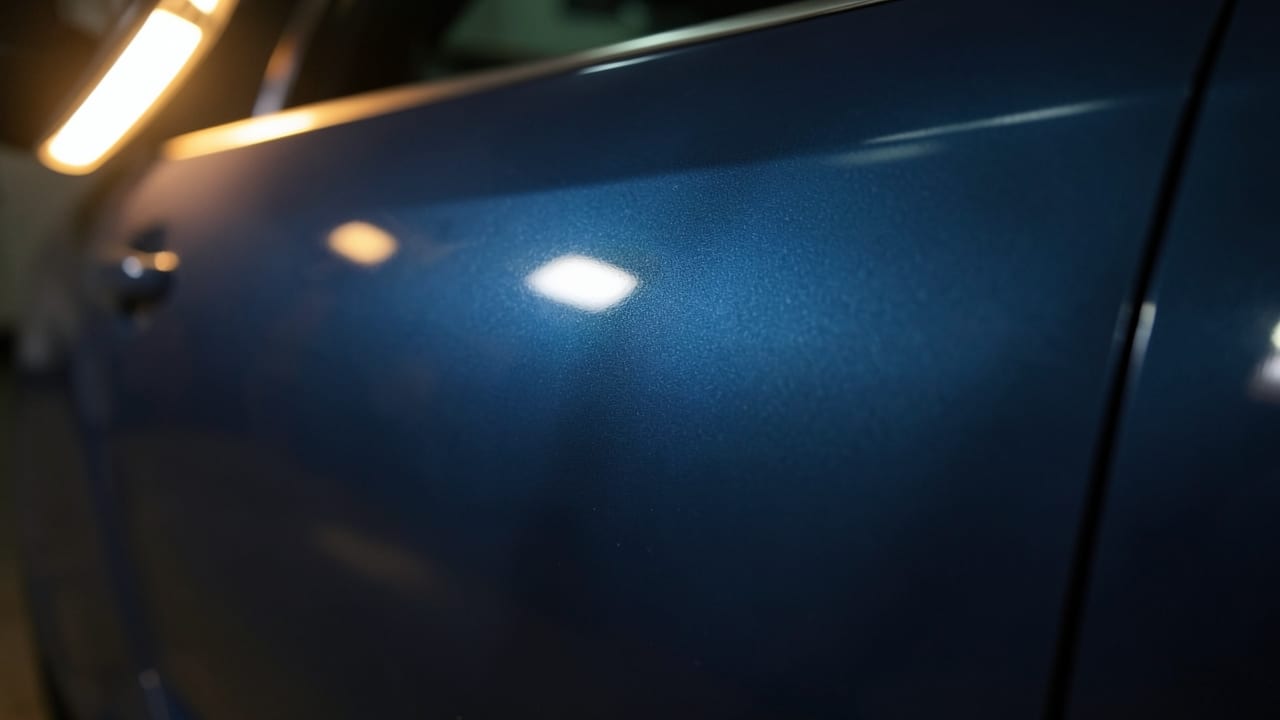
Clay Bar Paint Decontamination in Brighton, CO
Clay bar paint decontamination in Brighton, CO removes bonded surface contaminants a wash alone can't touch, before coating or correction.
Learn More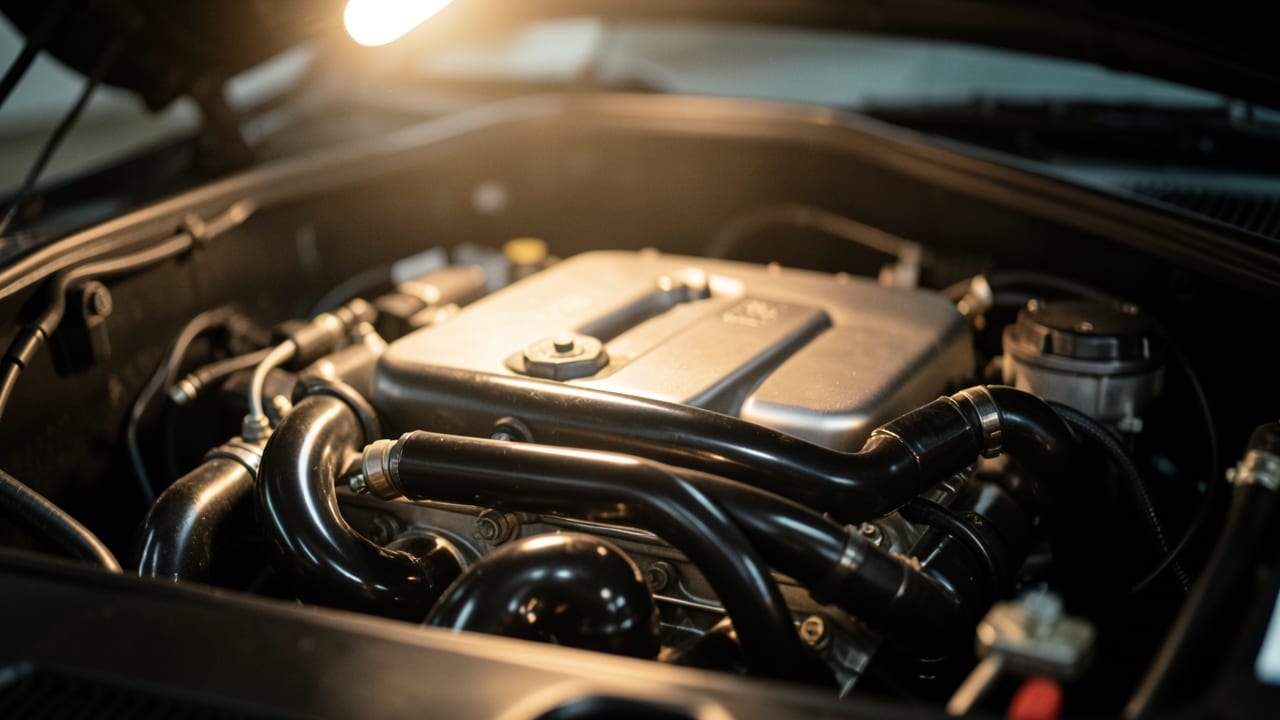
Engine Bay Detailing in Brighton, CO
Engine bay detailing in Brighton, CO — safe degreasing and dressing of the engine compartment without risking electrical components.
Learn MoreCommon Questions About Ceramic Coating in Brighton
Everything you need to know about ceramic coating services in Brighton
How much does Convertible Top Protection typically cost in Brighton, CO?
Can ceramic coating prevent rock chips on mountain roads around Brighton, CO?
Will a ceramic coating stop rock chips or scratches?
What's the actual difference between wax, paint sealant, and ceramic coating?
Can ceramic coating be applied at home instead of by a detailing shop?
How long does a ceramic coating actually last in real-world use?
Need Ceramic Coating in Brighton?
Get a written quote from our Brighton crew.
⏰ We answer your call • Serving all of Brighton and surrounding areas